
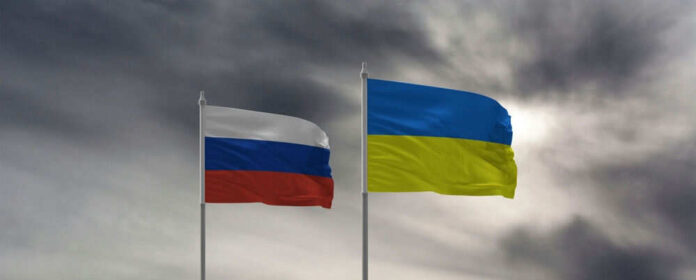
(ProsperNews.net) – Putin’s vow to “definitely respond” after Ukraine disabled a Russia-linked oil tanker in the Mediterranean is the latest warning sign that Biden-era global entanglements are still putting American security and energy stability at risk.
Story Snapshot
- Ukraine’s SBU used a long-range bomber drone to cripple a Russia-linked “shadow fleet” oil tanker, the Qendil, in the Mediterranean Sea.
- Vladimir Putin publicly promised revenge, signaling another round of escalation in a war U.S. taxpayers were heavily dragged into under Biden.
- The strike highlights how risky, opaque sanction games and shadow fleets threaten global shipping and energy markets.
- For American conservatives, the episode is a reminder why Trump’s America First energy and foreign policies matter in 2025 and beyond.
Ukraine’s Drone Strike Reaches Deep Into the Mediterranean
Ukraine’s Security Service, the SBU, carried out a precision drone strike on the Russia-linked oil tanker Qendil in the Mediterranean, roughly 930 miles from Ukrainian territory. The vessel had sailed from Russia’s Black Sea port of Novorossiysk, passed through the Bosphorus and Suez Canal, and unloaded crude at Jamnagar, India, before turning back toward Europe. On its return leg between Malta and Crete, a bomber drone struck the tanker’s topside infrastructure, leaving it heavily damaged and forcing a sudden U-turn toward Port Said, Egypt.
The Qendil was reportedly empty at the time of the attack, limiting the risk of an oil spill or major fire, but experts say the hit likely rendered the ship inoperable. The 2006-built vessel, weighing over 115,000 deadweight tons, fits a broader pattern of aging tankers with murky ownership used to move Russian crude outside normal, regulated channels. Ukraine has struck similar targets in the Black Sea before, but this marks the first confirmed attack on such a ship in the Mediterranean, signaling an expanded geographic reach.
Russia’s Shadow Fleet and the Sanctions Game
Since Moscow’s full-scale invasion in 2022, Russia has leaned heavily on a so‑called “shadow fleet” of more than 1,000 older tankers to dodge Western sanctions and the G7 oil price cap. Many of these ships operate with limited insurance, opaque corporate structures, and flags from permissive jurisdictions, allowing Russian oil to reach markets like India and China while avoiding tighter Western oversight. These flows help fund the Kremlin’s war machine, even as Washington and Brussels insist sanctions are biting.
Ukraine’s strategy has been to target this fleet with drones and missiles, especially in the Black Sea, aiming to choke off revenue that bankrolls Russian aggression. The Qendil strike takes that campaign far beyond regional waters into heavily trafficked Mediterranean lanes. For American readers who lived through years of Biden’s climate extremism and hostility to domestic drilling, the picture is familiar: when Western elites handicap their own energy production, authoritarian regimes exploit gray markets, raising risks for ordinary consumers and for global maritime safety.
Putin’s Retaliation Threat and What It Means for Stability
On December 20, as news of the strike came to light, Vladimir Putin used his annual press conference to issue a stark warning. He downplayed the impact on Russia’s oil exports but vowed that Moscow would “definitely respond” to attacks on its tankers. His message framed Ukraine as the aggressor and hinted that future retaliation could target Ukrainian infrastructure, shipping, or other assets well beyond the traditional front lines, raising the stakes of each new drone mission.
For Americans, especially those who watched the Biden team write blank checks to Kyiv, this is a reminder that entanglement has consequences. Escalating tit‑for‑tat strikes on high-value economic targets are exactly the kind of spiral President Trump has repeatedly warned against. Threats like Putin’s highlight why a foreign policy built on clear red lines, energy independence, and focused national interest, not open‑ended commitments and moral posturing, is essential to protecting U.S. troops, trade routes, and wallets.
Energy Markets, Global Shipping, and America’s Pocketbook
While the Qendil was empty, the attack still reverberates across the global oil and shipping sectors. Each successful strike on a shadow fleet tanker underscores how vulnerable these sanction‑evading vessels are to relatively low-cost drones. Insurers, ports, and shipping firms now have to factor in a new layer of risk, especially on routes touching the Black Sea and eastern Mediterranean. Even if Russia finds replacement hulls, costs are likely to rise, and those costs can ripple through global markets.
For American families already squeezed by years of inflation and high fuel prices, instability on major oil routes is not an abstraction. Under Biden, Washington tried to micromanage global supply with sanctions and “green” mandates instead of unleashing U.S. production. President Trump’s America First approach, prioritizing domestic drilling, pipeline infrastructure, and reliable baseload energy, offers a stark contrast. The Qendil incident shows how fragile anti‑fossil‑fuel experiments and half‑enforced sanctions can be when adversaries are willing to gamble with global shipping.
Why This Matters Under Trump’s Second Term
In 2025, with Trump back in the White House, America has an opportunity to reset. His administration is already rolling back radical climate regulations, restarting pro‑energy policies, and insisting that NATO and European allies carry more of the burden for security in their own backyard. The tanker strike and Putin’s response underscore why that shift is necessary: U.S. power must be reserved for defending our people, our borders, and our prosperity, not underwriting endless proxy fights and bureaucratic sanction schemes that never seem to end.
Conservative readers who care about the Constitution, secure borders, and economic sanity should watch incidents like the Qendil strike closely. They reveal how quickly regional conflicts can spill into global trade lanes and threaten energy flows that keep American families working, driving, and heating their homes. A strong, clear-eyed Trump doctrine, peace through strength, energy dominance, and limited but decisive engagement, is the best antidote to the chaos unleashed when globalists try to engineer the world from conference rooms in Brussels and Davos.
Copyright 2025, ProsperNews.net