Britain’s push to ban social media for under-16s spotlights a global fight over free speech, parental rights, and Big Tech control.
Story Snapshot
- United Kingdom leaders announced a ban on social media for under-16s, citing child safety [1][4].
- The plan targets platforms with age checks and enforcement, not parents, according to compliance guides [2].
- Debate in Britain shows sharp splits over free speech and parental choice, with petitions on both sides [3][5].
- The policy details and timing remain fluid as consultation and design questions continue [2].
What Britain Announced And Why It Matters
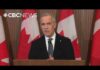
British Prime Minister Keir Starmer said the government will ban social media for children under 16. He tied the step to child safety and mental health concerns. Live video and broadcast clips captured the pledge and framed it as a nationwide rule shift [1][4]. The announcement matters beyond Britain. United States families, schools, and platforms watch the United Kingdom’s actions. Rules made in London can shape how companies design apps used by American teens.
The United Kingdom already has a child safety law on the books. Guidance for companies now centers on minimum age checks, design duties, and risk controls. The new ban would go further by drawing a hard line at age 16 for account access. Compliance material stresses enforcement on platforms, not on parents or kids directly [2]. That approach could force tighter sign-ups, identity checks, and content filters across global apps that operate in both markets.
The Core Dispute: Safety Versus Speech And Family Choice
Supporters say a clear age limit will cut bullying, exploitation, and harmful content. They point to rising concerns about teen anxiety and depression. A public petition argues that banning access can protect mental health and childhood development [3]. Critics counter that a blanket ban sweeps too wide. They argue it restricts lawful speech, crushes normal teen social life, and sidelines parents. An active petition urges the government not to impose a one-size-fits-all rule [5].
Enforcement is the other flash point. Teenagers often find workarounds. If a ban depends on strict age checks, companies may push identity scans or face tools. That raises privacy and data risks for families. If rules hit companies with big fines, platforms may over-block content to stay safe. That could chill speech for older users, schools, and small creators. These trade-offs drive much of the skepticism inside and outside the United Kingdom.
What Is Settled And What Is Still In Flux
Public statements and live clips show the intent to bar under-16 accounts. But technical details remain in motion. Industry guides discuss steps firms can take now under existing law. They also hint at further changes tied to a firm age floor and stricter checks [2]. This means families and schools will see changes roll out in phases. Some platforms may add heavier verification. Others may lock teen features or limit direct messages to reduce risk.
Petition activity and debate in Britain make clear the policy is not free from challenge. One petition champions a ban. Another warns against it and stresses the role of parents and education [3][5]. These signals suggest lawmakers still face design choices. How they define “social media,” how exceptions work for school or church groups, and how cross-border apps comply all remain open questions. Results in Britain could set templates for other governments to copy or reject.
Why American Readers Should Care Now
American parents, schools, and state leaders are already weighing teen online rules. Many states passed age-check, parental consent, or design laws. A national fight over free speech and platform duties continues. If the United Kingdom forces strict checks, global apps may ship those systems to Americans too. That could mean more identity demands for your kids to chat with friends. It could also mean stronger filters that catch lawful speech and news you want to see.
Prime Minister Sir Keir Starmer has announced a social media ban for under-16s.
— Enoch Kojo Appiagyei (@AhenkanEnoch) June 15, 2026
Conservatives value family authority, not mandates from far-off bureaucrats. We want real safety for kids and real freedom for parents. Britain’s plan pushes a sweeping rule. It may reduce some harms. It may also hand more power to Big Tech gatekeepers and grow surveillance. Americans should press for targeted measures that punish predators, fix addictive design, and back parents’ choices. Protect children without crushing speech, privacy, church groups, or small-town community life.
Sources:
[1] YouTube – LIVE: British PM Keir Starmer announces social media ban for under-16s
[2] Web – UK Social Media Ban for Under-16s: How to Comply – Appinventiv
[3] Web – Ban social media for under-16s to protect children – Petitions
[4] YouTube – Starmer announces social media ban for under-16s
[5] Web – Do not ban social media for under 16s – Petitions – UK Parliament
© prospernews.net 2026. All rights reserved.