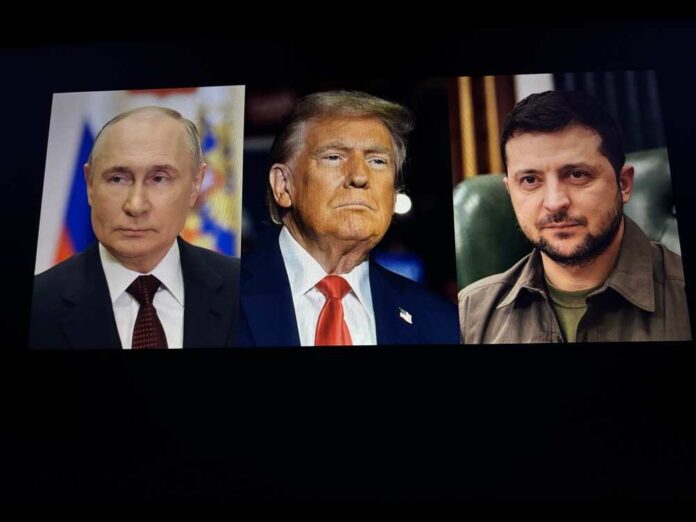
(ProsperNews.net) – The Trump administration’s new Ukraine peace plan demands major concessions from Kyiv, igniting fierce backlash over what many see as a dangerous surrender of Western values and American interests.
Story Highlights
- Trump’s 28-point peace plan pushes Ukraine toward ceding territory and abandoning NATO ambitions.
- European leaders and Ukrainian officials criticize the plan as capitulating to Russian demands and undermining regional security.
- The plan proposes a U.S.-monitored “Peace Council” led by Trump, raising constitutional and sovereignty concerns.
- Ongoing U.S.-Ukraine talks signal deep divisions, with far-reaching consequences for American credibility and global order.
Trump’s Peace Plan: Territorial Concessions and NATO Neutrality Spark Alarm
President Trump’s 28-point peace proposal, now the centerpiece of U.S.-Ukraine talks, demands Ukraine commit to never join NATO and accept permanent territorial losses. The plan, developed in consultation with Moscow, includes strict military limitations on Ukraine and a binding pledge that effectively redraws Eastern European borders. These terms have triggered strong reactions from U.S. allies, with critics warning that such concessions would embolden Russian aggression and erode vital Western alliances. The very foundation of American deterrence and support for national sovereignty is at stake as these negotiations move forward.
The plan’s delivery in November 2025 has placed President Zelenskyy in a political vice, as his administration faces pressure to accept terms seen by many as a blow to Ukraine’s independence. European governments have issued statements condemning the proposal, arguing it sets a precedent that rewards territorial conquest and undermines decades of international law. Conservative Americans, long wary of endless foreign entanglements and costly aid packages, now find themselves weighing the benefits of a swift resolution against the risks of appearing to abandon a frontline ally against authoritarian expansion.
U.S. Leverage and Constitutional Questions with the “Peace Council”
The Trump administration wields significant leverage as Ukraine’s chief military and financial backer, with White House officials warning Kyiv of further territorial losses if negotiations stall. Central to the plan is a legally binding agreement, supervised by a new “Peace Council” chaired by Trump himself. This unprecedented mechanism raises alarm among constitutional conservatives, who see it as potential government overreach and a threat to the balance of power. Such a body would centralize enormous authority in the executive branch, challenging traditional checks and balances and sparking debate over American sovereignty.
Meanwhile, Russia’s involvement in shaping the plan has drawn strong criticism. The Kremlin has publicly welcomed the increased engagement, with President Putin pursuing formal guarantees that would weaken Ukraine’s Western ties and cement Russia’s territorial gains. These developments have heightened concerns among defense hawks and constitutionalists, who warn that yielding to Moscow’s demands could undermine U.S. credibility and encourage future aggression across the world.
Divided Stakeholders: American Interests, European Security, and Conservative Values
Trump’s push for a rapid end to the war, framed as a pragmatic, cost-saving move, has split key stakeholders. U.S. officials argue that the plan is a necessary step to end a draining conflict, reduce government spending, and refocus resources on domestic priorities. However, European leaders and many Ukrainian officials view the deal as a betrayal, fearing it will erode the deterrence value of NATO and embolden authoritarian regimes. For Trump’s conservative base, the calculus is complex: the plan offers a chance to curtail endless foreign aid and globalist overreach, but at the potential cost of American leadership and constitutional principles abroad.
Broader Implications: Precedent, Security, and the American Role in the World
If adopted, the peace plan would mark a watershed moment in U.S. foreign policy, signaling a shift from defending allies’ sovereignty to prioritizing rapid conflict resolution, regardless of the price paid by partners. Experts caution that accepting territorial concessions could set a dangerous precedent for future conflicts, weakening international norms and undermining the rule of law. For conservatives, the episode serves as a stark reminder of the dangers posed by unchecked executive power, globalist influence, and the erosion of American values on the world stage.
As negotiations continue, the outcome remains uncertain. What is clear is that the stakes, for Ukraine, for Europe, and for the very ideals that define American leadership, could not be higher. Conservative readers are rightly alert to any arrangement that risks undermining the U.S. Constitution, national interests, or the principles that have made America strong for generations.
Copyright 2025, ProsperNews.net