
(ProsperNews.net) – Russia’s successful test of a nuclear-powered Burevestnik missile with unlimited range threatens global stability just months after the last U.S.-Russia nuclear treaty expired, escalating tensions under President Trump’s second term.
Story Snapshot
- Russia tested the Burevestnik nuclear-powered cruise missile, covering 14,000 km in 15 hours, claiming it evades all defenses.
- New START treaty expired February 5, 2026, ending strategic nuclear limits and verification for the first time since 1972.
- President Trump prioritizes trilateral arms talks including China amid failed bilateral extension efforts.
- Putin ordered preparations for resuming nuclear explosive testing, risking a new arms race.
- Both sides maintain informal limits but reject verification, heightening uncertainty for American security.
Burevestnik Missile Test Details
General Valery Gerasimov reported to Putin that the Burevestnik flew 14,000 kilometers over 15 hours during its October 2025 test. Moscow describes the missile as unique, powered by a small nuclear unit comparable to the Kh-101 but with vastly superior range. Experts note its subsonic speed, top-mounted wings, and potential radioactive emissions from ramjet or turbojet propulsion. Putin hailed the test as final, moving toward deployment.
New START Treaty Expiration
The New START treaty expired on February 5, 2026, without extension after Russia suspended participation in 2023 over U.S. Ukraine support. Signed in 2010 and extended in 2021, it capped deployed warheads at 1,550, delivery vehicles at 700, and launchers at 800 per side with on-site inspections. Russia’s September 2025 proposal for one-year voluntary limits received no U.S. response. Now, no bilateral caps exist, echoing the post-1972 era.
COVID-19 paused inspections in 2020, and Ukraine tensions blocked resumption. President Trump expressed openness to extension but focused on including China in talks. U.S. officials monitor Russian forces through national means, assessing no numerical violations yet. This opacity erodes trust, a core concern for conservatives valuing verifiable deterrence over unproven globalist pacts.
Strategic Implications for U.S. Security
The Burevestnik and Poseidon drone tests signal Russia’s nuclear modernization post-expiration. Putin directed preparations to resume nuclear explosive testing, potentially ending the 30-year moratorium. Western analysts warn of arms race risks, warhead “uploading,” and miscalculation in crises like Ukraine or Taiwan. Both nations possess rapid expansion capacity without limits.
JUST IN – Russia tests long-range missile after US nuclear treaty expireshttps://t.co/qSZfFmey2Q
— Insider Paper (@TheInsiderPaper) May 12, 2026
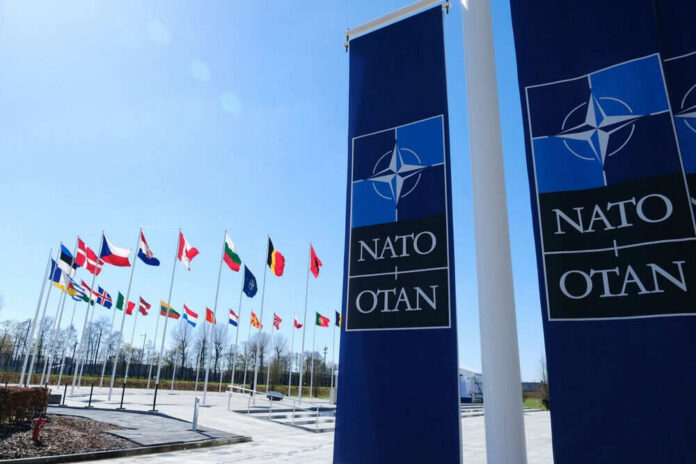
NATO allies express escalation fears, while think tanks urge transparency. For Americans frustrated by elite-driven foreign entanglements, these developments underscore government failures to secure peace through strength. Trump’s America First approach seeks broader deals, but Russia’s provocations demand robust missile defenses to protect sovereignty and families.
Sources:
Russia and the US put nuclear testing back on the table. Is time running out for arms control?
Nukes Without Limits? A New Era After the End of New START
The Aftermath: The Expiration of New START
Copyright 2026, ProsperNews.net