
(ProsperNews.net) – The State Department has escalated enforcement of child support laws by actively revoking valid U.S. passports from thousands of Americans who owe more than $2,500, marking a sharp departure from previous policies that only denied new passport applications.
Story Overview
- State Department now revokes existing passports for child support arrears exceeding $2,500, not just denying new applications
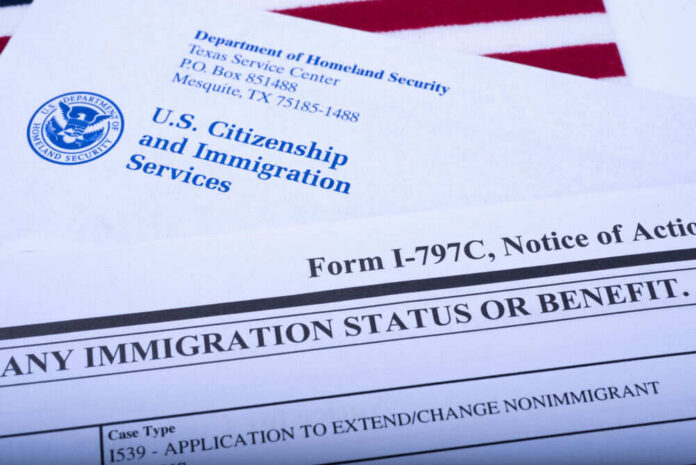
- Thousands of parents face immediate travel restrictions via email or mail notifications rendering passports invalid
- Debt repayment requires 2-3 weeks HHS verification before passport eligibility restoration, stranding some Americans overseas
- Policy rooted in 1996 federal law sees renewed aggressive enforcement under current administration priorities
- Americans abroad receive only limited-validity return passports until settling debts with state child support agencies
Federal Enforcement Reaches Valid Passports
The Department of State updated its official guidance on May 7, 2026, confirming it will revoke valid passports held by individuals certified by the Department of Health and Human Services as owing over $2,500 in child support arrears. This represents a significant shift from the longstanding practice of merely denying passport applications or renewals. Parents receive notifications directly from the State Department, immediately invalidating their travel documents until they resolve their debts with state child support enforcement agencies and complete HHS verification processes that take a minimum of two to three weeks.
Legal Foundation and Enforcement Mechanism
The revocation authority stems from Section 322 of the Personal Responsibility and Work Opportunity Reconciliation Act of 1996, codified under 42 U.S.C. § 652(k) and amended by the Deficit Reduction Act of 2005. State child support agencies certify delinquent parents to HHS’s Office of Child Support Enforcement, which then provides lists to the State Department for action. The enforcement mechanism creates a linear chain where state agencies identify debtors, HHS validates certifications, and the State Department executes travel restrictions. Federal regulations under 22 CFR 51.60 mandate these actions for arrears exceeding the $2,500 threshold.
Impact on American Families and Workers
The enforcement wave affects an estimated thousands of Americans among approximately 13 million child support cases nationwide, with total arrears reaching $120 billion according to OCSE data. Parents facing revocations often cite unemployment or incarceration as barriers to payment, yet receive only a 30-day window to contest certifications through state agencies like Florida’s Department of Revenue. The policy disproportionately impacts low-income individuals who may lose employment requiring international travel or face family emergencies abroad. Americans already overseas when notified can obtain only limited-validity passports for direct return to the United States, potentially disrupting expatriate workers and contractors.
Government Priorities Versus Individual Hardship
While child welfare advocates praise the enforcement as holding non-paying parents accountable, critics question whether revoking passports addresses the root causes of payment failures, particularly poverty and job instability. The Government Accountability Office reported in 2019 that the denial program achieved a 9:1 return on investment, but also documented a 1-2 percent error rate in wrongful certifications. State Department officials frame the revocations as routine enforcement, stating parents should “pay your child support before applying—or traveling.” Yet the two-to-three-week verification lag after payment means even compliant individuals face extended travel bans, raising concerns about bureaucratic inefficiency compounding financial hardship for families already struggling economically.
Historical Context and Escalation Timeline
The passport denial program launched in 2008 following the 2005 legislative amendments, initially focusing on blocking new passport issuances. During the first Trump administration from 2018 to 2020, certifications ramped up dramatically, reaching over 340,000 by 2019 and resulting in approximately 20,000 annual passport denials or revocations according to GAO analysis. Enforcement reportedly slowed during the Biden era from 2021 to 2025, but the May 2026 State Department announcement signals renewed prioritization tied to fiscal enforcement goals. The current mass revocation wave represents the first systematic effort to cancel valid passports already in circulation, not merely deny future applications, marking an unprecedented escalation in federal child support collection tactics.
Sources:
U.S. Department of State – Child Support and Passports
Florida Department of Revenue – Passport Denial Program
State Department Press Release – Passport Revocations Due to Significant Child Support Debt
Copyright 2026, ProsperNews.net