
(ProsperNews.net) – President Trump’s surprise pause of a brand-new U.S. naval escort mission in the Strait of Hormuz is testing whether hard power can force a deal—or invite more Iranian brinkmanship.
Quick Take
- Trump paused “Project Freedom,” a U.S. effort to escort commercial ships through the Strait of Hormuz, after signaling “great progress” toward a final U.S.-Iran agreement.
- The U.S. blockade on Iranian ports remains in place even as escorts pause, keeping economic pressure on Tehran while talks continue.
- Iranian attacks on ships and clashes at sea preceded the pause; the Pentagon reported multiple Iranian vessels sunk and crew deaths reported.
- Pakistan played a visible mediation role, requesting the temporary pause as negotiations moved forward.
Why Trump hit pause after launching Project Freedom
President Trump announced that the U.S. would pause “Project Freedom,” a military operation designed to secure commercial shipping through the Strait of Hormuz, after saying negotiations with Iran had made “great progress” toward a “complete and final” agreement. Reports indicated the pause was requested by Pakistan and others involved in mediating contacts. U.S. officials framed Project Freedom as narrow and defensive, distinct from earlier combat operations and intended to prevent escalation while talks proceed.
Defense Secretary Pete Hegseth said the ceasefire announced earlier was holding, with Iranian actions described as staying below a threshold that would trigger renewed escorts. The sequencing matters: the pause came less than two days after Project Freedom began and shortly after U.S.-flagged vessels transited the strait under protection. The administration’s message is that pressure created negotiating leverage, and the pause is meant to cash in that leverage without surrendering control of the wider confrontation.
What triggered the operation: attacks, escorts, and a chokepoint the world can’t ignore
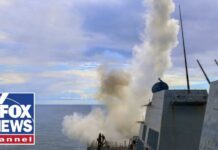
The Strait of Hormuz is a strategic bottleneck for global energy and shipping, and disruptions there can ripple quickly into fuel prices and consumer costs. Recent reports described Iranian attacks on vessels in and near the strait, including incidents affecting regional partners, followed by U.S. action to escort commercial ships. The Pentagon reported sinking multiple Iranian vessels during the early clashes, and reporting also cited fatalities among crews, underscoring how rapidly “limited” operations can turn deadly.
The current spike followed months of escalating conflict. Trump announced major combat operations earlier in 2026, including joint U.S.-Israeli strikes on Iranian military and infrastructure targets, after reported provocations. Talks held in Pakistan in April failed to produce a peace deal, even as a short ceasefire was announced. When attacks resumed in early May, the U.S. moved to protect shipping. That backdrop explains why the White House is treating the shipping lane as both a security mission and a diplomatic pressure point.
Diplomacy under pressure: Pakistan’s role and China’s shadow
Pakistan’s involvement stands out because it gives the pause a “brokered” character rather than a unilateral retreat. Reports say Pakistan requested the temporary halt to facilitate negotiations, and the administration appears to believe a short window can produce a compact agreement. At the same time, reporting noted Iran’s foreign minister traveling to Beijing, highlighting China’s interest in shaping outcomes and the ongoing risk that sanctions enforcement could become a point of friction between Washington and Beijing.
Domestic stakes: executive power, congressional oversight, and the risk of mission creep
Project Freedom’s pause also lands in a familiar American debate: how presidents use military power without sustained congressional authorization. Reporting suggested the administration has emphasized a ceasefire framework and a limited defensive mission—an approach that can reduce political pressure at home while keeping deterrence options ready offshore. For conservatives wary of endless wars, a temporary pause tied to concrete concessions can look like disciplined statecraft. For critics, any ambiguous timeline raises questions about transparency and accountability.
Trump signals potential Iran deal, pauses ‘Project Freedom’ | National Reporthttps://t.co/5lZPKOC8S5
— ConspiracyDailyUpdat (@conspiracydup) May 6, 2026
The most important unknown is the deal itself. Reports described talk of a short, “one-page” arrangement, but public details remain thin, and Iranian officials have signaled they want “fair” terms. If the pause produces verifiable commitments that reduce attacks and keep shipping moving, it could lower the risk of a wider regional war while stabilizing energy markets. If it fails, the administration has already signaled it can restart operations quickly—making the next Iranian move decisive.
Sources:
https://www.cbsnews.com/live-updates/iran-war-trump-strait-of-hormuz-ships-uae-attacked/
https://www.foxnews.com/live-news/iran-war-news-trump-strait-hormuz-oil-prices-project-freedom-may-6
https://www.foxnews.com/live-news/trump-iran-project-freedom-strait-hormuz-may-5
https://www.foxnews.com/video/6394777736112
Copyright 2026, ProsperNews.net