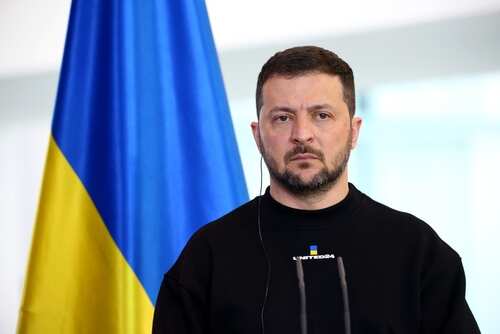
(ProsperNews.net) – Ukrainian President Volodymyr Zelensky’s bold call for regime change in Russia at the OSCE conference is a game-changer in the diplomatic landscape, suggesting that European security hinges on altering Russia’s leadership.
Story Highlights
- Zelensky calls for regime change to end Russian aggression.
- Links European security to Russia’s governmental structure.
- Advocates for confiscation of Russian assets for Ukraine’s recovery.
- Speech follows intense Russian attacks on Ukraine.
Zelensky’s Bold Diplomacy
On July 31, 2025, President Volodymyr Zelensky addressed the OSCE summit in Helsinki, marking a significant shift in Ukraine’s diplomatic approach by advocating for regime change in Russia. His message was clear: as long as the current leadership remains, Moscow continues to pose a threat to regional stability. This isn’t just a call to end the war; it’s a plea for a fundamental transformation of Russia’s political trajectory to safeguard Europe.
Zelensky’s speech came after a night of intense missile and drone attacks by Russia on Ukrainian soil, underscoring the urgency of his message. By linking European security directly to the nature of Russia’s government, Zelensky is pushing for a global effort to not only end the conflict but to ensure long-term peace and stability in the region. His call for the confiscation of Russian assets to fund Ukraine’s recovery further highlights the depth of Ukraine’s strategic shift.
The Context of the OSCE Conference
The OSCE summit commemorated the 50th anniversary of the Helsinki Final Act, which established principles of peaceful relations in Europe. Russia’s 2022 invasion of Ukraine had already violated these principles, and the ongoing conflict has reignited Cold War-era security concerns. The host country, Finland, closed its border with Russia in 2023, accusing Moscow of hybrid warfare tactics, which adds gravity to Zelensky’s call for decisive action.
Historically, calls for regime change in Russia have been rare among Western leaders. The focus has often been on policy changes rather than leadership changes. However, Zelensky’s direct appeal marks a departure from this norm, reflecting the severe impact of the ongoing war on Ukraine and the broader European landscape. The debate over asset confiscation versus freezing is intensifying, with significant implications for international law and policy.
Current Developments and Reactions
Zelensky’s speech follows a series of Russian attacks that caused civilian casualties in Ukraine and infrastructure damage in Russia. Ukraine’s foreign minister has echoed the call for abandoning diplomatic deadlines for Russia, advocating a tougher stance. Russian state media reports on Ukrainian drone strikes in Russian territory illustrate the escalating tit-for-tat nature of the conflict.
The international community is now faced with the challenge of responding to Zelensky’s bold proposals. The potential for increased diplomatic pressure on Western governments to consider more aggressive measures against Russia is significant. However, the risks of escalation and retaliation from Russia are also heightened, complicating the path forward for European stability.
Implications and Expert Perspectives
In the short term, Zelensky’s call could lead to heightened security concerns among Russia’s neighbors and increased economic isolation for Russia. Long-term, the adoption of a regime change policy could redefine Western-Russian relations, potentially increasing the risk of broader conflict. The proposal to confiscate Russian assets, if pursued, could reshape international legal norms and set significant precedents in economic sanctions.
Experts advise caution, emphasizing the mixed historical record of regime change policies and the potential for unintended consequences. Legal experts highlight the challenges of confiscating sovereign assets, which could violate international law. Meanwhile, some European leaders support tougher measures against Russia, while others fear escalation and advocate for continued diplomatic engagement.
Copyright 2025, ProsperNews.net