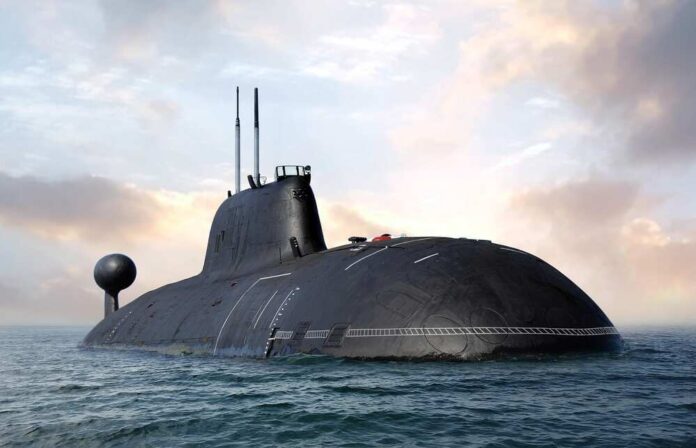
(ProsperNews.net) – Five unidentified drones just forced the French Navy to open fire over its top-secret nuclear submarine base, raising hard questions about Western readiness in an age of cheap, anonymous aerial threats.
Story Snapshot
- French ballistic missile submarine base Île Longue was reportedly buzzed by up to five small drones on December 4, 2025.
- French forces opened fire over a nuclear deterrent hub, exposing how vulnerable even elite Western facilities are to low-cost drone incursions.
- The incident underscores why strong borders, serious defense postures, and clear rules of engagement matter in a dangerous world.
- American conservatives watching from afar see yet another warning about complacent globalist security thinking and underestimating new threats.
French Nuclear Sub Base Faces Coordinated Drone Incursion
The Île Longue naval base in Brittany, France, houses the French Navy’s four ballistic missile submarines, the core of France’s sea-based nuclear deterrent. On December 4, 2025, French outlets including Le Monde and Agence France-Presse reported that as many as five small drones overflew this highly sensitive installation. The aircraft appeared near one of the most protected sites in Europe, immediately triggering security protocols designed for a Cold War world, not hobby-sized intruders guided by off-the-shelf electronics.
French security personnel at Île Longue reportedly responded by opening fire on the drones as they passed over the base. Initial reports did not specify whether any of the small craft were shot down or recovered, nor did they clarify who was operating them or from where. The engagement itself, however, sent a stark message: even nuclear infrastructure defended by elite forces can be probed by cheap aerial platforms that slip past traditional perimeter defenses and radar-focused doctrines.
Modern Drone Threats Reveal Gaps in Western Security Thinking
The Île Longue incident highlights how modern drone threats cut straight through peacetime complacency in Western capitals. Small unmanned aircraft have become tools for espionage, sabotage rehearsal, and psychological pressure, especially when they appear over nuclear or critical energy infrastructure. Their low cost and wide availability mean hostile states, terror networks, or criminal groups can test defenses at minimal risk. When even France’s ballistic missile submarine bastion can be buzzed, ordinary citizens are right to question broader readiness.
🇫🇷 The French Navy confirmed that air defence units were activated last night at around 7:30 PM after five unidentified drones entered restricted airspace over the île Longue nuclear submarine base.
Officials have not yet stated whether any of the drones were intercepted or… pic.twitter.com/qvTGayXUY3
— Defense Intelligence (@DI313_) December 5, 2025
For American conservatives, this story fits a troubling pattern seen across the West over the past decade. European leaders spent years prioritizing climate symbolism, open-border policies, and bureaucratic defense frameworks while underinvesting in hard capabilities and layered security. Drone overflights of nuclear or military sites illustrate where that thinking ends: guards firing into the sky at plastic airframes that may be collecting imagery, mapping sensor coverage, or simply testing response times. The price of underestimating emerging threats is paid later, and often in strategic surprise.
Why This Matters for U.S. Conservatives Focused on National Defense
American readers who lived through years of soft-on-security, globalist rhetoric from prior administrations see a powerful warning in Île Longue. Critical assets must be protected by robust, modernized defenses, not wishful thinking or overreliance on international norms. When unknown actors can fly multiple drones over a nuclear submarine base, it proves that deterrence now requires counter-drone systems, real-time surveillance, and clear authorities to neutralize threats fast. Anything less invites probing, escalation, and potential sabotage down the line.
Events like this also underline why strong borders and controlled airspace are more than talking points. Lax attitudes toward illegal crossings, unvetted technology imports, and foreign influence operations create an environment where adversaries feel emboldened to test limits. For conservatives, defending the homeland means anticipating these low-cost, high-impact tactics before they arrive at American nuclear plants, submarine bases, or major ports. Ignoring the lesson from France would repeat the very complacency many voters rejected at the ballot box.
Security Lessons and the Need for Serious, Sovereignty-First Policy
The limited information now available about the Île Longue overflights leaves important questions unanswered. Authorities have yet to publicly identify the operators, their motives, or whether any sensitive data was gathered. That uncertainty is itself part of the problem. When governments cannot quickly explain what happened over their most vital military facilities, public confidence erodes. Citizens begin to doubt whether their leaders grasp new threats or remain trapped in outdated assumptions about how modern conflict and covert pressure really work.
For a United States now moving away from the soft, woke, and bureaucratic posture of the previous administration, the French episode should serve as a case study. Serious nations invest in layered defenses, counter-drone technologies, and intelligence-driven enforcement instead of performative climate conferences or lectures about “shared global governance.” Conservatives who prioritize sovereignty, secure borders, and a strong military can read Île Longue as one more reminder: peace is preserved not by slogans, but by vigilance backed with real capability.
Copyright 2025, ProsperNews.net