
(ProsperNews.net) – The US State Department warns Russia of “maximum pressure” if Ukraine peace talks fail, as Trump calls Putin “crazy” and cautions him about “playing with fire” amid the largest aerial assault since the war began.
At a Glance
- US State Department spokesperson Tammy Bruce urged Russia to focus on ending the war rather than reacting to Trump’s social media posts
- Trump recently criticized Putin, calling him “crazy” and warning that he’s “playing with fire” as Russia launched its largest aerial assault on Ukraine since 2022
- Despite existing sanctions, Russia’s economy has survived with modest growth, though experts predict liquid reserves may run out by fall 2024
- US lawmakers are pushing for tougher sanctions against Russia, potentially adopting a “maximum pressure” strategy similar to Trump’s first-term policy on Iran
- Pro-Kremlin media have begun advocating for negotiations with Ukraine as economic pressures mount internally
US Diplomacy Shifts to Tougher Stance as Russian Attacks Intensify
The United States State Department has signaled a hardening position on Russia as peace negotiations between Moscow and Kyiv remain precarious. State Department spokesperson Tammy Bruce delivered a pointed message to Russian authorities, suggesting they redirect their attention from President Trump’s remarks to ending their military campaign in Ukraine. This shift comes as Russia recently executed its most extensive aerial assault on Ukrainian territory since the full-scale invasion began in February 2022, deploying over 600 drones and dozens of missiles across Ukrainian cities and infrastructure.
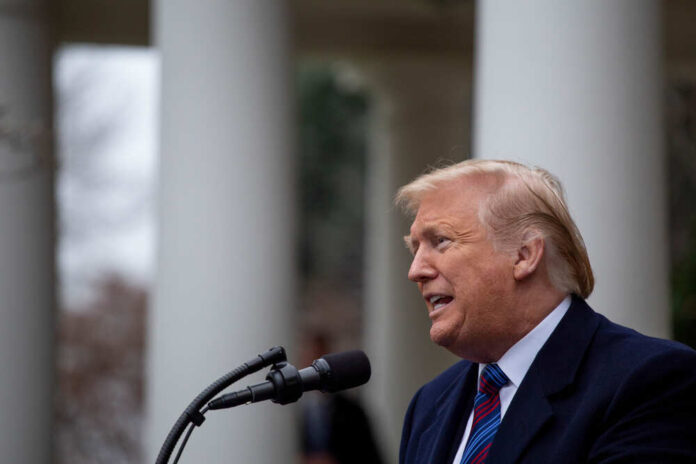
On May 26 alone, Russia launched 355 Shahed-type attack drones and decoys, marking the largest single drone attack of the conflict. These escalating military actions have prompted sharp responses from Washington, including President Trump’s characterization of Putin as “crazy” and his warning about “playing with fire” on his Truth Social platform.
The Kremlin quickly dismissed Trump’s comments as resulting from “emotional overload,” but the exchange highlights growing tensions between the two nuclear powers. As attacks intensify, bipartisan support is building in Congress for more aggressive sanctions against Russia, though President Trump has not yet publicly endorsed the proposed sanctions package.
Russia’s Economic Resilience Faces Mounting Challenges
Despite Western sanctions implemented since 2022, Russia’s economy has demonstrated unexpected resilience. Contrary to early predictions of collapse, the Russian economy has managed modest growth, with increased wages and decreased unemployment figures. However, beneath this surface stability, structural weaknesses are becoming increasingly apparent. Russia’s Central Bank has been forced to raise interest rates significantly to combat inflation, creating a difficult environment for companies seeking investment and expansion opportunities.
“When Russian President Vladimir Putin launched his war of aggression against neighboring Ukraine in February 2022, it set off an unprecedented wave of Western economic pressure.”
Ordinary Russians are feeling the economic pinch as food and consumer goods prices rise faster than wages, particularly in the public sector where salaries and pensions struggle to keep pace with inflation. This has led to growing income inequality across the country. Perhaps most concerning for the Kremlin, Russia’s hard currency reserves have declined significantly, forcing increased reliance on the National Wealth Fund. Financial experts predict Russia may exhaust its liquid reserves by fall 2024, potentially necessitating budget cuts and resource rationing.
Maximum Pressure Strategy Gains Traction
The State Department’s reference to applying “maximum pressure” on Russia suggests a potential return to tactics employed during Trump’s first administration against Iran. This approach would involve intensifying economic sanctions and diplomatic isolation to make the costs of continuing the war unsustainable for Russia. The strategy aims to force Russia to the negotiating table by exploiting its economic vulnerabilities, particularly as its financial reserves dwindle.
“If the Russians cared about the nature of how [peace efforts are] proceeding, they would be thinking less about [the president’s statements] and more about what they could do – which is in their hands – to stop the carnage and the slaughter that’s happening right now.”
Signs that this pressure may already be having an effect include pro-Kremlin media beginning to advocate for negotiations with Ukraine, and Russia’s military offering higher wages and bonuses to attract recruits, potentially indicating concern about further mobilization. The Russian government’s efforts to maintain domestic stability while financing an expensive war are creating tensions that a coordinated “maximum pressure” campaign could exploit. As the conflict approaches its third year, both Washington and Moscow appear to be recalibrating their positions, with economic factors playing an increasingly central role in strategic calculations.
Copyright 2025, ProsperNews.net