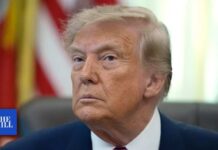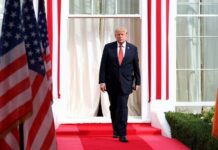

Trump has given the Commerce Department new power to block exports of recoverable critical minerals, putting e-waste and scrap at the center of a national-security fight.
Quick Take
- The White House says the move is meant to protect defense supply chains and reduce foreign dependence.
- The order covers recoverable critical minerals and materials found in old batteries and electronic waste.
- Reuters reported that the rule would let the Commerce Department stop some e-waste from being sent overseas.
- The decision fits a wider Trump push that has already used import probes, negotiation orders, and emergency powers.
What Trump Authorized
President Donald Trump signed a presidential determination on Thursday that delegates Defense Production Act authority to the Secretary of Commerce. The White House says the decision lets the department issue export restrictions on recoverable critical minerals and materials that are essential to national defense. Reuters reported that the order targets old batteries and other electronic waste filled with critical minerals, a stream the administration says is often shipped abroad.
The practical effect is to put federal power behind keeping more mineral-bearing waste inside the United States. The administration says that step will help domestic recycling and support the materials needed for military production and industrial uses. Supporters of the move will see it as a way to rebuild supply chains that have become too exposed to foreign processing, especially in a market where China still plays a dominant role.
Why the Administration Is Doing This
The White House has spent months treating critical minerals as a national-security issue, not just a trade issue. Earlier actions ordered Commerce to study imported processed critical minerals under Section 232 of the Trade Expansion Act of 1962, then directed talks with trading partners to reduce supply-chain risk. That means the July export move is not isolated. It sits inside a larger strategy that mixes trade, industrial policy, and emergency powers.
That broader pattern helps explain the politics of the decision. Trump’s team is acting on a belief that the country cannot wait for markets alone to solve shortages in minerals tied to defense, energy, and advanced manufacturing. Critics from different camps may disagree on the tool, but the shared fear is the same: government and industry have left the country too dependent on fragile supply lines.
What the Policy Does Not Yet Show
The public record supplied here does not include a detailed mineral-by-mineral analysis showing why export restrictions on recoverable scrap are the best fix. The White House materials describe authority and purpose, but they do not publish a cost-benefit study, performance target, or technical test proving the rule will quickly raise usable feedstock for defense or industry. That leaves an important question open: how much supply can this actually save?
Yesterday Trump signed a Presidential Determination under the Defense Production Act.
It gives the Commerce Secretary authority to restrict exports of “recoverable critical minerals and materials” — including:
• Black mass from recycled batteries
• End-of-life rare-earth…— 🇦🇺Craig Tindale (@ctindale) July 31, 2026
That gap matters because the rest of the administration’s minerals agenda has leaned more heavily on imports, negotiations, stockpiles, and domestic production. Reuters and other coverage show Trump also kept pushing overseas sourcing, while White House actions have backed domestic mining and tighter supply controls. So the export curb may be less a stand-alone solution than another piece in a much larger, highly interventionist policy machine.
Why This Story Resonates Beyond Trade
This fight reaches beyond mineral policy because it reflects a wider distrust of Washington’s handling of strategic industries. Many Americans on both the left and the right see the same basic problem: the country talks about resilience, but too often depends on foreign suppliers, slow permits, and fragmented planning. The new order will likely please those who want a harder line on supply chains, while also drawing pushback from people who fear another broad federal rule with unclear payoffs.
The strongest near-term test will be simple. If Commerce writes rules that keep more valuable material in the United States and helps recyclers feed domestic processors, the administration will say the order worked. If the rule mostly adds paperwork, shifts costs, or fails to change real supply, critics will argue it became another example of big government acting fast without proving results. For now, the government has authority. The evidence of impact is still ahead.
Sources:
insidedefense.com, csis.org, whitehouse.gov, reuters.com, hollandhart.com, cen.acs.org, straitstimes.com, bbc.com, trumpwhitehouse.archives.gov
© prospernews.net 2026. All rights reserved.