
(ProsperNews.net) – President Trump’s refusal to get dragged into the left’s political theater over Palestinian statehood, instead putting the focus squarely on getting food to starving Gazans, has sent the globalist class into a frenzy.
At a Glance
- Trump prioritizes humanitarian aid to Gaza over recognizing Palestinian statehood, despite mounting international pressure.
- UK Prime Minister Starmer pushes for Palestinian statehood and launches British airdrops to Gaza.
- Humanitarian conditions in Gaza remain dire, with aid volumes still far below what’s needed.
- The US approach diverges sharply from the UK and EU, fueling diplomatic tension and debate over Western leadership.
Trump Holds the Line on Politics, Focuses on Feeding Starving Gazans
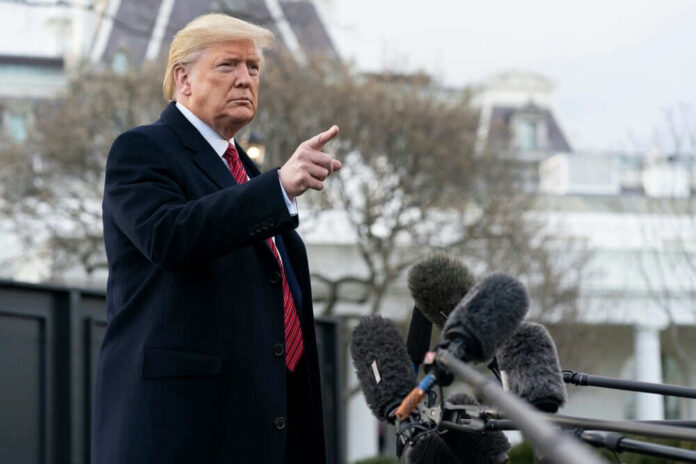
President Donald Trump, during his high-profile meeting with UK Prime Minister Keir Starmer in Scotland on July 28, 2025, made it plain he wouldn’t play the left’s favorite game, using a humanitarian crisis as a pretext for radical political demands. While Starmer and his European counterparts salivate at the prospect of recognizing a Palestinian state, Trump cut through the noise: “I’m not going to take a position. I don’t mind him [Starmer] taking a position. I’m looking for people getting fed right now. That’s the number one position, you have a lot of starving people.” Trump’s blunt focus on actually fixing a problem, instead of virtue-signaling, sent the usual beltway crowd into a tailspin.
Trump says his priority is to ensure Gazans are ‘getting fed,’ shrugs off push to recognize Palestinian statehttps://t.co/jsaJPACEut
— BREAKING NEWZ Alert (@MustReadNewz) July 28, 2025
Starmer, basking in the glow of his new progressive mandate, doubled down on calls for Palestinian statehood, insisting it’s the only real path to peace. The UK has even announced British-led airdrops to Gaza, a move that, while noble on the surface, comes with its own set of diplomatic risks and logistical headaches. Meanwhile, Trump’s U.S. administration has quietly funneled $60 million in aid to the region and pushed Israel to open humanitarian corridors. But let’s be clear: humanitarian relief is still painfully insufficient, with Gaza receiving less than half the daily aid it managed during the March ceasefire. The president’s critics claim he’s ducking the “real issues”, but isn’t feeding starving people the real issue?
International Pressure Mounts, but Trump Refuses to Budge
Starmer’s grandstanding is no accident. With the UK and EU scrambling to fill what they see as a “leadership vacuum” on the Palestinian question, they’re turning up the heat on Trump to join their push for statehood recognition. Ursula von der Leyen, president of the European Commission, has been in the mix as well, pressing for broader cooperation on both humanitarian relief and political solutions. But Trump is having none of it, keeping the U.S. firmly planted on the side of practical, immediate action, food, not flag-planting.
Israel, meanwhile, faces mounting international scrutiny over its control of Gaza’s borders and aid access. The Israeli military has allowed some airdrops and opened supposed “humanitarian corridors,” but the numbers don’t lie: aid volumes are still nowhere near pre-ceasefire levels. Over 250 trucks entered Gaza on July 26, a far cry from the 600 a day that crossed during the relative calm of March. That’s not just a statistic, it’s a warning sign that the situation is deteriorating, even as the world’s leaders squabble over symbolism.
The Human Toll: Gazans Caught in the Crossfire of Global Agendas
The real losers in this endless chess game? The Palestinian civilians trapped in Gaza, who face food shortages that no amount of political posturing can fix. Humanitarian organizations on the ground report that, despite the high-profile aid convoys and airdrops, the flow of food and essentials remains choked by bureaucracy, security concerns, and, let’s be honest, good old-fashioned political grandstanding. Experts warn that current aid levels are nowhere near enough to stave off a full-blown humanitarian catastrophe. The UK and EU’s strategy of tying humanitarian relief to political recognition risks only more delays, as Israel digs in and the U.S. refuses to play along.
Trump’s critics accuse him of being callous or indifferent. But the facts suggest otherwise. By refusing to let the issue of statehood hijack the urgent need for aid, he’s exposing how the left’s obsession with symbolism often comes at the expense of real-world results. The president’s stance may not appease the international elites, but it just might save lives, if only the rest of the world could get out of its own way.
The Road Ahead: More Aid, More Debate, and No End in Sight
The path forward remains murky. Unless the U.S., UK, EU, and Israel can set aside grandstanding and focus on the basics, getting food, water, and medical supplies to those who need them, the crisis will grind on. Political analysts see the UK and EU’s aggressive push for statehood recognition as a potential turning point in Western policy, but without American buy-in, it’s just more noise. For now, Trump’s America is sticking to what works: immediate humanitarian relief, not more empty promises. The world may not like it, but it’s hard to argue with the logic that starving people need food, not political slogans.
The humanitarian sector faces a punishing road ahead, with operational challenges mounting and funding still uncertain. In the end, the fate of Gaza’s civilians will depend less on speeches and more on whether the world’s leaders can muster the will to cut through the bureaucracy and deliver what matters most. Until then, the debate will rage on, but at least someone in the White House is still talking about results, not just rhetoric.
Copyright 2025, ProsperNews.net