
(ProsperNews.net) – A Los Angeles jury just handed taxpayers a $2.2 million bill for a protester who got shot in the face during the 2020 riots, but here’s the kicker, they also said he was partly to blame for being there in the first place.
Story Snapshot
- Filmmaker Cellin Gluck awarded $2.2 million after being shot with less-lethal projectile during 2020 George Floyd protest
- Jury found Los Angeles County liable but reduced damages by 35% due to partial fault assigned to protesters
- The deputy who fired the projectile was never identified, highlighting accountability gaps in law enforcement
- LA County considering appeal while exploring legal options to challenge the verdict
- Case represents growing trend of substantial settlements for protest-related police injuries
When Accountability Meets Anonymous Force
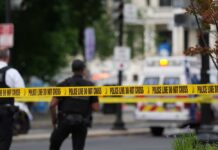
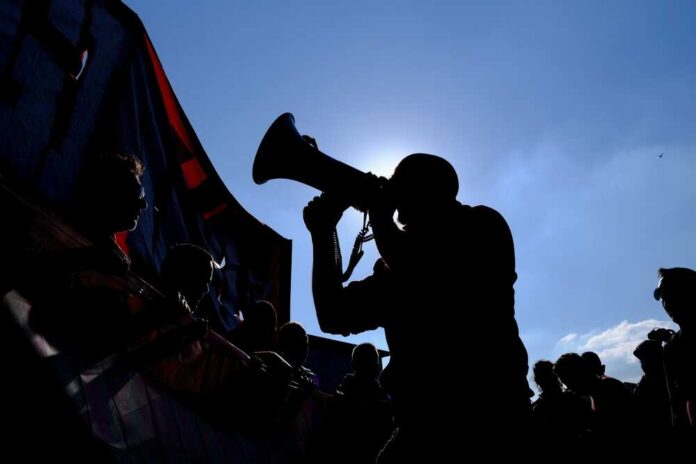
Cellin Gluck was facing away from sheriff’s deputies, unarmed and not posing any threat, when a projectile struck him in the face during a May 30, 2020 protest in LA’s Fairfax District. The filmmaker had brought his daughter to what started as a peaceful demonstration following George Floyd’s death. What makes this case particularly troubling isn’t just the injury, it’s that the deputy who pulled the trigger remains completely unidentified, creating a disturbing precedent where officers can inflict serious harm while hiding behind institutional anonymity.
The Los Angeles County Sheriff’s Department’s failure to identify the shooter raises serious questions about accountability in crowd control situations. When law enforcement can deploy force without individual responsibility, it undermines the very foundation of constitutional policing that conservatives have long championed, the principle that every government action must be answerable to the people.
The Jury’s Split Decision Reveals Uncomfortable Truths
The jury’s verdict sends mixed signals that reflect America’s conflicted feelings about both police accountability and protest participation. While awarding over $3 million in initial damages, they simultaneously assigned 35% fault to the protesters, reducing the final payout to approximately $2.27 million for Gluck and $195,000 for his daughter who witnessed the trauma. This partial fault assignment suggests the jury believed protesters bore some responsibility for attending events that could turn volatile.
This reasoning aligns with common-sense conservative principles that individuals must consider the consequences of their choices. However, it also raises constitutional concerns about chilling First Amendment rights. When exercising free speech becomes grounds for shared liability in police misconduct cases, we’re walking a dangerous line between personal responsibility and protected constitutional activity.
The Broader Pattern of Costly Police Settlements
Gluck’s case isn’t isolated, it’s part of an expensive pattern of settlements stemming from 2020 protest responses. Journalist Josie Huang received $700,000 for unlawful arrest and violence by the same sheriff’s department during protests that year. These mounting financial consequences represent a massive burden on taxpayers who fund both the original police responses and the subsequent legal penalties.
Los Angeles County lawyers are exploring appeals, but the damage extends beyond monetary costs. Each settlement without individual officer accountability creates moral hazard, when institutions pay for individual misconduct without personal consequences, it reduces incentives for proper behavior. Conservative principles demand both institutional strength and individual responsibility, yet this case delivers neither.
The Real Cost of Unaccountable Policing
The financial arithmetic is staggering, but the constitutional mathematics are worse. When taxpayers foot multimillion-dollar bills for police actions while the actual actors remain anonymous, we’ve created a system that privatizes authority while socializing consequences. This violates fundamental conservative principles about government accountability and fiscal responsibility.
The case exposes a critical flaw in modern policing: the gap between collective institutional liability and individual officer accountability. Until law enforcement agencies can identify and hold specific officers responsible for their actions, taxpayers will continue funding settlements for misconduct they didn’t commit, while the actual perpetrators face no personal consequences. That’s neither justice nor fiscal conservatism, it’s institutional socialism at its worst.
Copyright 2025, ProsperNews.net