

(ProsperNews.net) – An arrest in the long‑running D.C. pipe bomb case is reopening hard questions about security failures, political narratives, and how Washington handled January 6 from the very beginning.
Story Snapshot
- Federal agents have reportedly taken into custody a suspect accused of planting pipe bombs near the DNC and RNC headquarters on the eve of January 6, 2021.
- The arrest could finally clarify whether the bombs were meant as a deadly attack, a diversion to pull police away from the Capitol, or both.
- Years of intensive investigation underscore how seriously authorities treat bomb threats around partisan power centers in Washington.
- The case raises new concerns for conservatives about how political violence and protest are framed, prosecuted, and used to justify expanded government power.
Arrest in a long‑running mystery
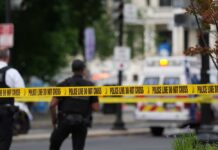
Federal investigators now say they have arrested a suspect they believe planted two viable pipe bombs outside the Democratic National Committee and Republican National Committee headquarters in Washington, D.C., on the night of January 5, 2021. The devices were discovered the next day, just blocks from the Capitol, as Congress met to certify the 2020 election and massive crowds flowed through the city. For years, the unknown bomber symbolized one of the biggest unanswered questions surrounding the security failures of that week.
Officials devoted major resources to the case, drawing on surveillance video, cellphone data, public tips, and explosives forensics to trace the movements of the suspect and the construction of the devices. The bombs were widely described as potentially lethal, and their placement near both party headquarters suggested a deliberate attempt to send a political message while diverting bomb squads and tactical units at a critical moment. The newly announced arrest signals that investigators believe they can finally connect specific evidence to an identified individual.
How the bombs shaped January 6
The bombs were placed as Washington braced for a tense certification fight that had already fueled weeks of anger, lawsuits, and online mobilization over the 2020 results. When the devices were found on January 6, they forced the rapid deployment of specialized teams to secure the DNC and RNC areas, just south of the Capitol complex. That response consumed attention and manpower from agencies already stretched thin, contributing to lingering questions about whether the bomb threat worsened the vulnerability of the Capitol as the crowd turned into a riot.
Law‑enforcement leaders have treated the pipe bombs as part of the broader domestic terrorism environment surrounding the Capitol breach, even though the full relationship between the bomber and the rioters remains unclear. Prosecutors are expected to pursue heavy explosives and terrorism‑related charges, reflecting a longstanding federal practice of treating attacks on political party facilities as threats to core democratic processes. For conservatives who care deeply about law and order, the bombs represent an unacceptable crossing of the line from protest to potential mass‑casualty violence, regardless of political motive.
Stakeholders, motives, and political framing
The central figure going forward will be the accused bomber, who now faces the prospect of federal prosecution and a defense team probing every step of the investigation for weaknesses. Prosecutors from the Department of Justice and the U.S. Attorney’s Office are likely to emphasize the danger to party staff, first responders, and nearby communities, while pointing to years of dogged investigative work as proof that such plots will not simply fade into the background. Defense attorneys, in turn, may challenge the reliability of digital evidence, forensics, or witness accounts, and could dispute any attempt to link their client to broader organizing around January 6.
The DNC, RNC, and members of Congress all have strong incentives to frame the case in ways that support their existing narratives about political violence, election security, and protest. Some will stress the bombs as an attack on democracy itself, reinforcing calls for more aggressive domestic terrorism powers and expanded monitoring of extremist rhetoric. Others, including many conservatives, will worry that broad “extremism” labels get stretched to smear peaceful dissent and justify more surveillance, censorship, and federal overreach that ultimately threaten constitutional rights and legitimate political organizing.
Implications for conservatives and constitutional rights
For readers who watched the last several years of politicized investigations, selective prosecutions, and shifting rhetoric about “domestic extremism,” this arrest lands in a climate of deep skepticism. There is no question that genuine bomb plots and attacks on bystanders or political staff must be prosecuted forcefully. At the same time, conservatives have seen how federal agencies and media narratives can blur lines between violent criminal activity and constitutionally protected protest, especially when it comes to right‑of‑center causes, election integrity concerns, or opposition to globalist agendas.
Going forward, the key test will be whether authorities keep their focus on hard evidence, clear statutes, and equal treatment under the law, rather than using the pipe bomb case to revive blanket smears of Trump supporters or to push new powers that undermine civil liberties. Conservatives should watch closely how charges are framed, what links are actually proven in court, and whether officials try to leverage this episode into broader crackdowns on speech, assembly, or gun rights. Limited data about the suspect and evidence is available so far; early coverage should be treated as preliminary until detailed charging documents and court proceedings are fully public.
Copyright 2025, ProsperNews.net