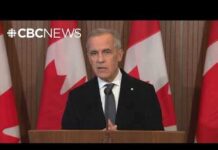

President Trump unveiled a national fraud-tip program that promises a 1% commission to anyone whose information helps the government recover stolen taxpayer money.
Story Highlights
- Trump announced a Fraud Whistleblower Incentive Program with a 1% recovery commission.
- People are directed to report suspected fraud through fraud.gov.
- White House materials described a $25 million program and awards up to $30,000.
- Eligibility ties to proven cases, with disputes over who decides the awards.
What The Administration Announced At The White House
On October 20, 2026, President Trump announced a Fraud Whistleblower Incentive Program at the White House with Vice President JD Vance and senior officials present. Trump told the audience that tipsters could earn a 1% commission based on money the government recovers from fraud involving federal programs. He gave examples that scaled from tens of millions to hundreds of millions of dollars, and he said there would be no limit on the payout size tied to the recovery.
The administration directed the public to report suspected fraud through fraud.gov. The program targets fraud schemes that drain taxpayer-funded benefits or contracts. The message was simple and broad: if you know about waste, fraud, or abuse, report it, and if the information leads to a result, you may get paid. Trump also said reporters could take part under applicable rules, signaling the incentive extends to anyone with actionable information.
How The Reward Is Supposed To Work
Trump said the person who supplied the key information would need to prove they were the source to claim a commission. He also said he would act as the final decision-maker if more than one person tried to claim the same reward. That approach aims to stop copycat claims and settle disputes quickly. Public coverage reported these statements as central parts of how the program will sort out who gets paid on a winning tip.
Separate descriptions from the White House and the Department of Justice added structure but presented different limits and triggers. Reports described a $25 million program, run by the Department of Justice, with awards available when a case leads to a conviction or a significant federal enforcement action. Those descriptions also mentioned awards “up to $30,000,” which does not match an uncapped 1% payout tied only to recovery totals.
Key Tensions: Caps, Decision Power, And When Money Flows
Two details stood out for anyone tracking waste and accountability. First, payment size: Trump spoke about a pure 1% with no ceiling, but program materials reported by outlets described a much smaller maximum award. Second, timing and authority: Trump tied the payout to recovered money and said he would arbitrate disputes, while the Department of Justice description emphasized convictions or enforcement actions and said the department held discretion over awards.
🚨 BREAKING: President Trump just put a bounty on fraud, and every American can cash in.
He announced the Fraud Whistleblower Incentive Program today. You report fraud at https://t.co/zq4c2wDoNp, and if it's real, you get paid. Trump's words: "If you find a billion dollars, we…
— RattleTrap 1776 (@derekjonhsonn) October 21, 2026
The gap between an uncapped commission and a listed award ceiling matters because it shapes public expectations. It also affects trust among whistleblowers who may risk jobs and safety to report fraud. The difference between recovery-based triggers and conviction-based triggers could change when, or even whether, a tip leads to a payment. Coverage noted an apparent first $10,000 award discussed at the event, but it did not document a completed 1% payment.
Why This Approach Has Familiar Roots
Reward programs are not new in the United States. For decades, the False Claims Act has allowed private whistleblowers to help the government recover money lost to fraud. In recent years, those cases have produced billions for taxpayers, with hundreds of millions paid to whistleblowers who brought useful information that led to successful cases. This history shows that financial incentives can surface fraud when clear rules and steady enforcement back them up.
What To Watch Next For Citizens And The Press
People who plan to file tips will look for final rules that settle the open questions: the award formula, any cap, who decides payouts, and when a tip counts as the cause of a recovery. Clear guidance on fraud.gov intake, proof standards, and how to resolve duplicate claims will shape how many credible tips come in. Strong rules will also help keep the focus on catching fraud, not on fights over credit for information.
How This Connects To Voter Frustrations
Americans across the political spectrum say the system feels rigged and wasteful. A program that pays citizens who expose fraud speaks to that anger by turning knowledge into action. If the government sets firm rules, pays fairly, and recovers real money, that would mark progress against abuse of taxpayer funds. If rules stay confusing or change on the fly, it could look like more of the same from Washington, and faith in the effort could fade.
Sources:
thehill.com, spectrumlocalnews.com, tennessean.com, bostonglobe.com
© prospernews.net 2026. All rights reserved.