
A Virginia family says a rights-restoration letter naming their dead dog “Biscuit” as a felon arrived by mail, and a state lawmaker wants answers.
Story Snapshot
- A mailed rights-restoration document appeared to name a deceased dog as a felon.
- A Virginia delegate called for an investigation into the case.
- The governor’s office says the record is tied to a human with verified identifiers.
- Restoring rights is not the same as voter registration under Virginia law.
What Triggered The Uproar
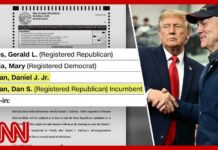
WRIC reported that a Henrico County family received official paperwork that appeared to restore civil rights to “Biscuit Rigsby,” their deceased dog, described in the document as a felon whose rights were now restored. Fox News said Delegate Tom Garrett reviewed the family’s materials and asked for an investigation into how a deceased animal could receive such a notice. The document’s plain wording raised concerns about identity checks and basic record hygiene in a high-volume state program.
Virginia has been restoring voting rights to tens of thousands of people with past felony convictions. The governor’s office announced over 66,000 restorations in July and reached 100,000 by August. Officials said the Secretary of the Commonwealth would both review applications and proactively find eligible Virginians, confirming their status before restoration. That workflow, on paper, should prevent obvious mismatches. The Biscuit case tests whether those controls worked as designed in every instance.
The State’s Explanation And The Legal Backstop
The governor’s spokesperson told reporters the administration did not restore a dog’s rights and said the contested record was linked to a person with a date of birth and Social Security number, which the office could not publicly disclose. Separately, WTVR reported the office’s point that a rights-restoration certificate does not place anyone on voter rolls and that voting in a deceased person’s name is a felony. That means the letter alone would not let anyone cast a ballot.
Virginia law also sets clear list-maintenance duties. Registrars must remove deceased voters and keep a record that shows why the cancellation occurred for at least four years. The state election handbook further details how death records are matched and how cancellations are processed. These safeguards aim to stop ballots cast in the name of the dead. They do not, by themselves, explain how a restoration letter could bear a pet’s name, which remains the central oddity driving attention to this case.
How A Records Mix-Up Could Happen
High-volume programs often pull from many databases. Names, nicknames, and household records can cross wires when address data, legacy files, or human entry errors collide. The administration says it reviews each case and checks with law enforcement partners. Yet public details on this episode are thin. Without the underlying record, it is not possible to tell if the issue was a nickname, a bad merge, a clerical error, or a faulty match. That gap fuels distrust across political lines.
🚨 VIRGINIA GOVERNOR’S OFFICE SENDS VOTING-RIGHTS RESTORATION CERTIFICATE TO A DOG THAT’S BEEN DEAD FIVE YEARS
Virginia Gov. Abigail Spanberger’s administration is facing demands for an investigation after a Goochland County resident received official paperwork restoring civil…
— MDBayNews (@MDBayNews) October 31, 2026
The stakes extend beyond one letter. Supporters of broad restoration argue the process corrects old barriers and should scale well. Skeptics see the Biscuit letter as proof that government systems miss obvious errors and shrug them off. Both sides agree on one point: trust depends on proof. Clear steps could help, including an audit of the matching process, a review of the batch that produced this notice, and a de-identified report on error rates and fixes.
What To Watch Next
First, watch whether state officials open a formal review and publish findings on what created the “Biscuit” name on official mail. Second, look for documentation that shows the restoration program’s checks, including how date of birth and Social Security numbers are verified when names look odd. Third, track whether registrars report any related registration or list-maintenance issues, including any misdirected notices or deceased matches, and whether those were resolved under state law.
Sources:
thegatewaypundit.com, governor.virginia.gov, law.lis.virginia.gov, foxnews.com, wtvr.com, elections.es.virginia.gov
© prospernews.net 2026. All rights reserved.