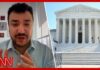

A leading security scholar warned that the weeks after the elections could be the most dangerous phase yet for the Iran-Israel conflict, with the United States drawn in.
Story Highlights
- Robert Pape said escalation risk by Iran, Israel, and the United States will rise after the elections.
- He identified the period from Election Day to early January as a high-risk window.
- He tied the risk to politics: leaders may feel fewer restraints right after voting ends.
- His view follows an “escalation trap” framework he has used across this war.
Pape’s On-Record Warning And The Post-Election Window
University of Chicago professor Robert Pape told Newsmax that “we’re likely to see escalation” in the Iran-Israel conflict and said the danger would grow in the weeks after November 3. He pointed to a period running from Election Day until early January, when the new Congress is seated, as especially sensitive. He argued that Iran, Israel, and the United States could each choose tougher action during that time. That timing, he said, could make a regional fire spread faster.
Pape explained a clear mechanism behind the risk. He said election timing can change how leaders weigh costs and benefits of force. After ballots are cast, leaders may feel fewer short-term political penalties for hard choices. That can lower barriers to strikes or retaliation. Pape framed this as a classic problem in crisis management. When each side fears looking weak, each side can take steps that raise the chance of a wider war.
The “Escalation Trap” Framework Behind The Forecast
Pape located his warning within what he calls an “escalation trap.” In this view, each new strike, red line, or domestic promise can lock leaders into tougher next moves. He has used this framework to track turns in the conflict and to explain why limited fights can expand. Recent videos and writings repeated this logic and applied it to the post-election period through early January. The core point is simple: pressure builds, options narrow, and risks spike when leaders box themselves in.
This type of forecast fits a wider body of research on politics and war. Studies show that elections can shape when leaders choose force, and that incentives change across the political calendar. Some research finds leaders worry about casualties near elections, which can restrain action. Other work suggests leaders sometimes feel pressure to appear strong, which can tilt choices the other way. Pape’s forecast lines up with the idea that political timing can raise or lower brakes on escalation.
What This Means For Americans Watching Energy, Security, And Costs
A sharp rise in tension could hit Americans at home. Missile exchanges or strikes can rattle shipping lanes and oil markets. That can push fuel and food costs higher. Military alerts also strain budgets and families with loved ones in uniform. Pape’s message focuses on choices leaders make when public attention shifts after voting ends. That is when guardrails can loosen. Many citizens on both the right and the left fear those choices will reflect elite interests, not everyday needs.
University of Chicago political science professor Robert Pape examines the growing risk of an Iran-Israel escalation and what it could mean for the United States. He argues that Iran, Israel and Donald Trump could each drive the conflict higher, creating what he calls a major… pic.twitter.com/SN074FTwjE
— NEWSMAX (@NEWSMAX) October 27, 2026
People across the spectrum share worries about drift, division, and rising prices. Conservatives fear global shocks that raise energy costs. Liberals fear a wider war that worsens inequality and cuts social support. Both sides see a system that often reacts late, then overreaches. Pape’s timeline offers a practical alert. The period between the election and early January is short. It is exactly when citizens and Congress can demand caution, clear goals, and limits before events race ahead.
Limits Of The Available Record
The materials supporting Pape’s forecast include a Newsmax report, recent videos, and his own posts. These sources document his quotes, timeline, and framework. They do not, by themselves, prove what will happen next. Forecasts describe risk, not fate. Still, the warning rests on public statements that are specific on timing and on cause. That makes it testable against events. It also gives voters a clock and criteria to judge real-world choices in the weeks ahead.
Sources:
youtube.com, yahoo.com, professorrobertpape.substack.com
© prospernews.net 2026. All rights reserved.