(ProsperNews.net) – Trump just hit pause on strikes that could have spiked your gas bill overnight—while America waits to find out whether “productive talks” are real or political theater.
Quick Take
- President Trump delayed planned U.S. strikes on Iranian energy infrastructure for five days after warning Iran to reopen the Strait of Hormuz.
- Trump said “productive conversations” produced multiple points of agreement; Iranian officials publicly denied any talks.
- U.S. military pressure has been intense, with CENTCOM reporting thousands of targets hit in recent weeks as Iran continues missile and drone launches.
- Attacks on power and desalination systems carry major humanitarian and legal risks, even as Tehran threatens regional infrastructure.
Trump’s five-day pause resets the clock on a high-stakes ultimatum
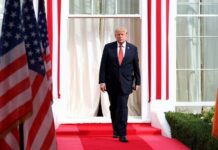
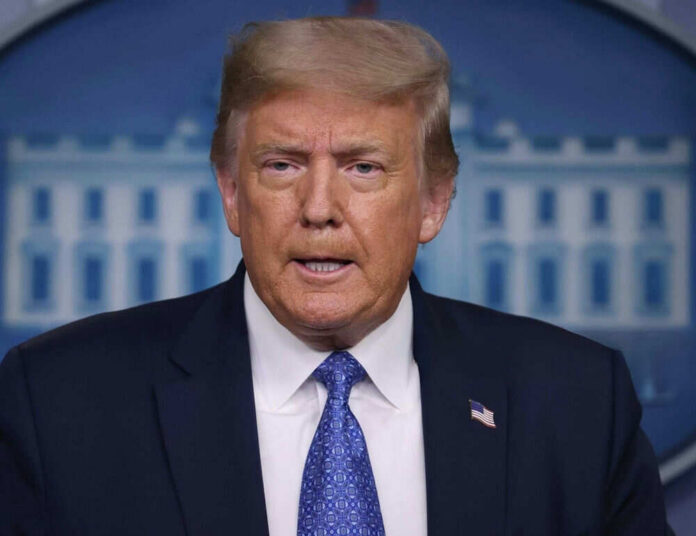
President Trump postponed U.S. strikes on Iranian energy sites after previously setting a 48-hour deadline tied to reopening the Strait of Hormuz, the critical shipping lane for global oil. Trump’s delay, announced March 23, came after he claimed progress toward a broader settlement. The immediate effect is simple: the countdown to escalation has been extended, not canceled, and both markets and U.S. allies are reacting in real time.
Trump’s team framed the pause as conditional leverage—pressure first, then a deal—rather than a retreat. The White House line emphasized “productive conversations” aimed at ending the war and preventing an Iranian nuclear future, with Trump describing multiple points of agreement, including control measures around Hormuz and the handling of enriched uranium. The problem is verification: public reporting does not independently confirm the full list of “deal points,” and Iran’s leadership has disputed the basic premise.
Conflicting narratives: Trump says talks are happening; Tehran says “fake news”
Iranian officials publicly denied direct negotiations and dismissed reports of substantive talks, even as Iranian forces continued launching drones and missiles across the region. That contradiction matters for Americans who are tired of “mission creep” and broken promises, because it raises a hard question: is Washington buying time for diplomacy, or sliding toward another open-ended conflict while both sides posture for domestic audiences? The available reporting supports the pause; it does not resolve the dispute over talks.
Trump’s supporters are watching this closely for another reason: it tests the “America First” promise to avoid new regime-change wars. The current conflict is already affecting the public through energy anxiety and uncertainty about how far the U.S. will go to secure shipping lanes and deter Iranian attacks. If Iran is not actually negotiating, a five-day delay could become a five-day runway to wider strikes, and the administration will have to explain the endgame in plain terms.
Why energy infrastructure is the red-line target—and why it scares allies
Targeting power generation and related energy infrastructure is a coercive strategy because it can squeeze a government quickly, but it also risks punishing civilians and destabilizing neighboring states. Reporting also highlights fears around desalination systems in the Gulf, which are essential for freshwater in several countries. The International Committee of the Red Cross has warned that attacks on power and water infrastructure can trigger severe humanitarian consequences and may implicate the laws of war depending on circumstances.
Regional partners have their own calculus. Gulf states host U.S. forces and rely on uninterrupted energy and water systems; they also sit within range of Iranian retaliation. Reports describe continued interceptions and air defense activity, including incidents involving drones. For Americans who remember Iraq and Afghanistan, the familiar pattern is the danger: limited strikes become retaliation, retaliation becomes escalation, and suddenly the “temporary” operation needs another authorization, another funding package, and another sacrifice from military families.
Military pressure is real, but MAGA’s patience is not unlimited
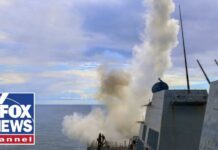
U.S. Central Command has described a heavy tempo of strikes over recent weeks, with reporting citing thousands of targets hit and significant degradation of Iranian capabilities. That operational reality gives Trump leverage, but it also increases the risk that Washington gets pulled deeper if Tehran keeps firing or broadens targets. Iran has threatened reciprocal responses that could include infrastructure in the region, raising the stakes for allies and for the U.S. bases that protect them.
4D Chess: Trump Postpones Destroying Iran’s Power Plants — and His Master Plan for Victory Emergeshttps://t.co/O4I0NLGb65
— PJ Media (@PJMedia_com) March 23, 2026
Domestically, this moment is exposing a real split inside the pro-Trump coalition. Some voters prioritize backing Israel and punishing Tehran, while others see another foreign war as the kind of global entanglement Trump campaigned against. The constitutional concern is straightforward: clear objectives, clear limits, and transparent accountability matter when Americans are the ones paying—in money, energy costs, and the long tail of veterans’ care. The next five days will test whether this pause is diplomacy with teeth or simply a delay before a larger strike package.
Sources:
President Trump postpones strikes on Iranian energy infrastructure
Trump Iran Strait of Hormuz deadline
Trump orders War Dept to postpone strikes on Iranian energy sites citing productive talks to end war
Copyright 2026, ProsperNews.net