

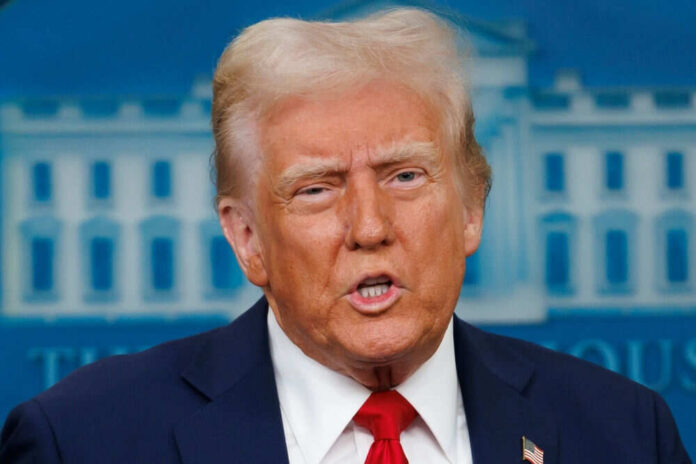
(ProsperNews.net) – In a world rife with conflict and despair, the unexpected announcement of a peace agreement between Israel and Hamas brokered by Donald Trump brings a glimmer of hope amid cautious celebrations.
Story Highlights
- Trump announces a peace deal between Israel and Hamas, sparking celebrations.
- The agreement includes a hostage release and military withdrawal.
- Cautious optimism prevails amid concerns over the deal’s fragility.
- Key issues like Hamas’s disarmament remain unresolved.
Peace Deal Details and Initial Reactions
On October 8, 2025, U.S. President Donald Trump revealed that Israel and Hamas had agreed to the first phase of a peace deal aimed at ending the ongoing Gaza conflict. The deal stipulates the release of all living hostages in exchange for the freedom of 2,000 Palestinian prisoners. Additionally, it requires the Israeli military to withdraw to predefined lines within Gaza, a move met with jubilation on both sides. However, the agreement’s durability remains uncertain, given unresolved issues surrounding Hamas’s future role and disarmament.
While celebrations erupted in both Gaza and Israel, the lingering question is whether this newfound peace can withstand the test of time. The deal represents a significant diplomatic achievement for Trump, yet skepticism persists, especially regarding the sustainability of the peace process and the potential for renewed hostilities if key challenges are not adequately addressed.
Background and Historical Context
The roots of the conflict date back to 2007 when Hamas took control of Gaza, leading to repeated clashes with Israel. Over the years, multiple ceasefire attempts failed, escalating the humanitarian crisis in the region. The recent peace agreement follows a tumultuous history of hostilities and failed diplomatic efforts, including a previous unsuccessful proposal by Trump in early 2025. The persistent international pressure for a resolution was a driving force behind the current negotiations.
The current agreement marks a moment of relief for many, but the political landscape remains fraught with complexities. The involvement of international stakeholders, including Arab states, highlights the global desire for stability in the region, yet the path to lasting peace is fraught with challenges.
Stakeholders and Power Dynamics
Donald Trump plays a pivotal role as the chief negotiator, with Israeli Prime Minister Benjamin Netanyahu and Hamas leadership as key decision-makers. Netanyahu’s main goal is securing the release of Israeli hostages and eliminating the threat posed by Hamas, while Hamas seeks to maintain influence and improve conditions in Gaza without disarming. The involvement of international partners, including the proposed international stabilization force, underscores the complex web of interests at play.
The power dynamics in these negotiations are shaped by Israel’s military superiority, Hamas’s precarious position, and the strategic interests of Arab states seeking regional stability. The success of the peace deal hinges on balancing these competing interests and addressing core issues such as governance and security.
Current Developments and Future Prospects
The agreement’s signing marks the beginning of a ceasefire, with the hostage release and prisoner exchange already underway. However, significant challenges remain, particularly regarding the full demilitarization of Hamas and the transition to a new governance structure in Gaza. The international community’s role as guarantors and funders will be crucial in ensuring the deal’s implementation and long-term viability.
While the immediate cessation of hostilities brings relief, the long-term prospects for peace depend on addressing deep-rooted grievances and fostering cooperation among all parties involved. The potential pathway to Palestinian statehood and regional integration remains contingent on further negotiations and the resolution of contentious issues.
Copyright 2025, ProsperNews.net