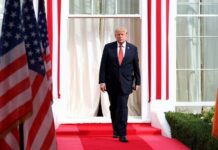

President Trump warned of strikes on Iran’s power and bridges as Israel and the United States readied for a tougher phase of war.
Story Snapshot
- Trump signaled attacks on Iranian energy and transit targets if Tehran refuses talks.
- Israel and U.S. forces shifted posture, with reports of added jets and tankers.
- Israeli officials and media flagged a window for fresh escalation next week.
- Open fighting continued as both sides traded strikes across the region.
What New Signals Say About The Next Week
Times of Israel reported that Israeli officials expect a possible United States move to hit Iranian civilian infrastructure next week. The same live report quoted a senior Israeli official saying Israel is preparing for an escalation and is ready for any scenario. Those claims followed President Trump’s on-air threat to hit power plants and bridges if Iran will not negotiate, adding urgency to planning chatter and public warnings.
British Broadcasting Corporation coverage, citing a partner report from CBS News, said Trump is considering joining Israel’s push against Iranian nuclear sites. That detail, while secondhand here, fits with wider accounts of stepped-up targeting debates. It also tracks with an open-ended White House stance that combat will continue until goals are met, as wire services have reported during this phase of the conflict.
Military Movements That Point To Preparation
Ynet reported new American force moves into the region, including refueling planes and fighter jets. Travel warnings tightened. Operations adjusted to match a higher alert level. These are classic signs of a military that wants options on short notice. They do not prove orders have been signed, but they shorten the time from decision to action, which is why analysts read them as escalation signals.
Anadolu Agency said Israeli leaders convened security planning and warned of a possible weekend flare-up. That fits a common pattern in this conflict cycle. Leaders meet, posture shifts, and both sides test each other with limited strikes before a bigger choice comes due. None of this guarantees large new raids, but it increases the risk window and the cost of any misread message between capitals.
What Is Confirmed Fighting Versus What Is Still Unclear
Associated Press reporting described ongoing United States and Israeli air attacks inside Iran and continuing retaliation by Tehran and allied groups. That confirms active combat and explains why both militaries are on a hair-trigger. It also shows this is not a cold standoff. Shots are firing. Lives are at stake. In that context, a new strike on energy or bridges would be an expansion of an existing war, not a first step.
At the same time, much of the “next week” talk relies on unnamed officials and live blogs. That leaves gaps. The public record does not show signed, declassified strike orders. The CBS-linked item on nuclear sites is relayed by other outlets here, not presented in full. The line between deterrent talk and actual tasking remains blurry. Readers should weigh that difference while tracking official statements and force movements.
Why This Matters For Americans Across The Spectrum
Energy infrastructure targeting could spike oil prices fast. That hits family budgets, truckers, and small shops first. It also rewards black-market players and petrostates. Many Americans, left and right, already feel that elites make choices that raise costs while shielding themselves from the fallout. A deeper war with strikes on power and bridges in Iran could widen that divide at home while pulling more taxpayer dollars into open-ended missions abroad.
Global score is 38, indicating a WATCH status. Iran's threats against energy fields amid U. S. military considerations raise concerns for regional stability and energy security.https://t.co/io3UGHNMDf
#AIAnalysis #OSINT #Ukraine #Russia #NATO #Iran #Israel #MiddleEast https://t.co/H2S505CnQb pic.twitter.com/Yu0FaG8bKr
— ORACLE World Risk Intelligence (@Oracle_Intel) August 2, 2026
Congressional Research Service and major outlets have documented a repeated cycle with Iran: threats, deployments, proxy attacks, then strikes and countermoves. Ambiguity can deter enemies, but it also keeps citizens in the dark. People want clarity about goals, limits, and exit ramps. Clear definitions from the White House and the Pentagon about what “escalation” means—posture, targets, or timelines—would help the country judge costs and risks before events race ahead.
Sources:
theguardian.com, cnbc.com, bbc.com, youtube.com, wsj.com, jpost.com
© prospernews.net 2026. All rights reserved.