
(ProsperNews.net) – When the power of the presidency tangles with the freedom of the press, the stakes rise dramatically, as seen in the recent suspension of “Jimmy Kimmel Live!”
Story Highlights
- Jimmy Kimmel’s show suspended after a controversial monologue targeting political figures.
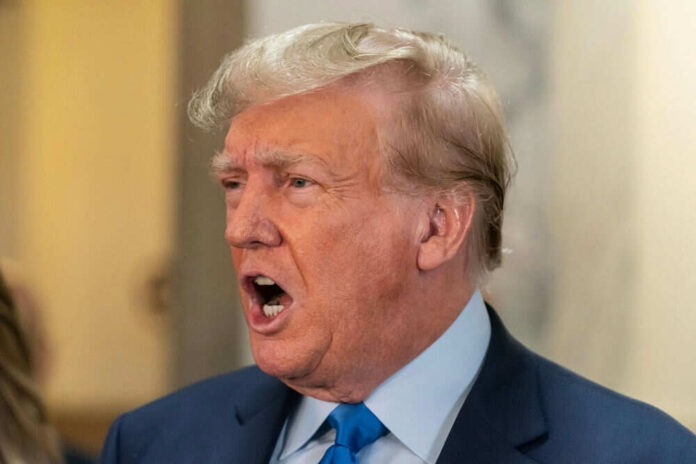
- President Trump suggests networks critical of him could lose licenses, sparking free speech debates.
- Senate Majority Leader Chuck Schumer warns of a path toward autocracy.
- National conversation ignites over media freedom and the independence of regulatory bodies.
The Controversy Unfolds
In September 2025, “Jimmy Kimmel Live!” was indefinitely suspended following a monologue that questioned political allegiances following the killing of conservative activist Charlie Kirk. The monologue, which implicated President Trump, led to a backlash from the administration. The FCC, under Commissioner Brandon Carr, hinted at taking action against ABC and its affiliates, citing public interest concerns. NextStar Media, a major ABC affiliate owner, swiftly acted by preempting the show, further fueling the controversy.
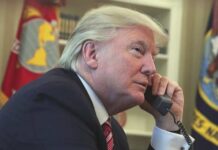
President Trump’s public statements suggested that media networks critical of his administration could face license revocations. This veiled threat underscores the escalating tension between political power and media freedom. As the situation unfolds, it raises profound questions about the role of regulatory bodies and the potential for government overreach in media affairs.
Political Reactions and Implications
The suspension of Kimmel’s show has not gone unnoticed in political circles. Senate Majority Leader Chuck Schumer has been particularly vocal, condemning the administration’s actions as a dangerous step toward autocracy. Schumer, along with other political figures, has called for investigations into the independence of the FCC and the potential misuse of executive power. The debate has sparked partisan divides, with some defending the move as protecting public interest, while others see it as a chilling effect on free expression.
The controversy has thrust the FCC into the spotlight, raising questions about its role and independence. Historically, the FCC has avoided direct involvement in content regulation, yet the current situation suggests a shift toward more politically influenced decision-making. This raises alarms about the future of media regulation and the potential for executive interference in free speech matters.
Media Freedom at a Crossroads
The suspension of “Jimmy Kimmel Live!” highlights the precarious balance between media freedom and political power. Media organizations and journalists now face the chilling prospect of censorship if their content displeases those in power. The incident has intensified discussions about the role of regulatory bodies like the FCC in safeguarding or stifling free speech.
The implications of this situation are far-reaching. In the short term, there is a palpable chilling effect on media entities that criticize the government. Long term, the incident could set a precedent for executive interference in media affairs, potentially altering the landscape of American media freedom. The entertainment industry, too, might reconsider the risks associated with politically charged content.
Copyright 2025, ProsperNews.net