

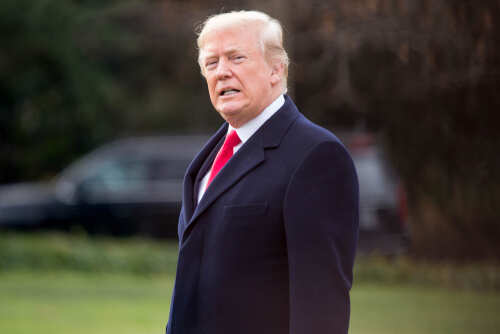
(ProsperNews.net) – Is the stress of battling “radicals” in America the true cause of President Trump’s recent health issues?
At a Glance
- Sen. Tommy Tuberville blames political stress for Trump’s health diagnosis.
- Trump diagnosed with chronic venous insufficiency, common in older adults.
- Tuberville’s comments aim to rally Trump’s base amid health scrutiny.
- Medical experts say stress isn’t a direct cause of Trump’s condition.
Trump’s Health in the Spotlight
Sen. Tommy Tuberville recently made waves by asserting that President Trump’s health diagnosis is linked to the stress of “fighting the radicals” in the United States. Tuberville’s comments came on the heels of the White House’s announcement that Trump, now 79, has been diagnosed with chronic venous insufficiency, a condition affecting blood circulation in the legs.
This diagnosis, which followed public speculation after Trump was photographed with swelling and bruises, has become a focal point in the political discourse. Tuberville’s statements aim to frame Trump as a tireless fighter, battling both domestic and international pressures, a narrative that resonates with his staunch supporters.
Medical and Political Reactions
The White House has reassured the public of Trump’s health, attributing hand discoloration to frequent handshaking and routine aspirin use. Press Secretary Karoline Leavitt emphasized that Trump remains in “excellent health.” However, Tuberville’s comments have added a political twist to the medical narrative, suggesting that the stress from political battles is taking a toll on Trump’s health.
Medical experts, however, are clear that while stress can exacerbate health issues, it is not a direct cause of chronic venous insufficiency. This medical condition is common among older adults and generally manageable with proper treatment. Tuberville’s remarks, therefore, appear to be more about rallying Trump’s base than reflecting medical reality.
Implications for Trump’s Campaign
Trump’s health, a topic of public interest, particularly as he gears up for another presidential run, has taken center stage. Tuberville and other allies are likely to continue framing Trump’s health challenges as evidence of his resilience and dedication. This narrative could bolster his image among loyal supporters who view him as embattled but unwavering.
However, ongoing health concerns could also shape voter perceptions and campaign strategies in the lead-up to the election. The issue of health transparency is expected to play a significant role, with calls for clear and factual communication about Trump’s condition becoming more pronounced.
Narrative vs. Medical Facts
The intertwining of medical facts with political narratives is not new, but it continues to present challenges. Tuberville’s comments, while politically motivated, highlight the broader strategy of portraying Trump as a victim of intense political pressure. Yet, for voters and the public, distinguishing between political rhetoric and medical facts remains crucial.
As the situation develops, Trump’s health will likely remain a topic of discussion, with potential implications for public perception and electoral politics. The ongoing debate underscores the importance of factual communication and the impact of political narratives on public discourse.
Copyright 2025, ProsperNews.net