
The Trump administration says it is waging a “transparent” war in Iran, but key facts about why America is fighting and how much it is costing are still largely hidden from the public and even from many lawmakers.
Story Snapshot
- The White House brands the Iran conflict as a transparent, well-explained mission, backed by claims of regular briefings and online updates.
- Reporters and former officials say Pentagon press briefings have nearly vanished, while casualty and cost details are spotty or changed after the fact.
- Members of both parties in Congress complain they still lack clear information on war goals, duration, and troop losses, deepening mistrust of Washington.
- This clash over information fits a long pattern where wartime presidents talk about openness while keeping the public in the dark on the most important facts.
Trump’s Transparency Claims vs. What Americans See
President Trump and his team repeatedly say this Iran war is being run in the open, with clear goals and regular updates for Congress and the public. White House spokesperson Anna Kelly points to about 20 bipartisan briefings on Operation Epic Fury as proof that lawmakers are being kept informed. Pentagon officials echo that message, saying they provide “comprehensive, real-time updates” and that Trump and Defense Secretary Pete Hegseth share “unfiltered insight” online. On paper, this sounds like the kind of candor many Americans on both left and right have long demanded after years of confusing wars and shifting stories from Washington.
For citizens watching from home, though, the picture looks very different. The Pentagon has sharply cut back traditional press briefings, and major outlets report that no full briefing on the war has been held since early May, even as fighting has dragged on for months. Instead of detailed sessions where reporters can ask hard questions, much of what people see are short videos of U.S. strikes posted online and upbeat comments from Trump about “victory” and “decisive action.” These clips highlight American firepower, but they do not explain deeper questions: Why was this war started, what is the endgame, and how many Americans and Iranians are paying the price on the ground?
Lawmakers and Experts Say Key Facts Are Missing
Inside Congress, frustration over missing information has spilled into public view. Representative Adam Smith, the top Democrat on the House Armed Services Committee, says there has been “no transparency” about casualty statistics and equipment losses, even after multiple Americans were killed. Some Republican lawmakers, who usually back President Trump, also complain that briefings leave them with few clear answers on how long the war will last and what specific goals the military must meet. Senate Democrats pushed for public hearings after private briefings, arguing they still could not explain basic war facts to their own voters. When both parties say they feel kept in the dark, it reinforces a growing belief among many Americans that Washington leaders protect themselves first and the public last.
Outside government, national security writers and former officials warn that this lack of clarity is not just annoying; it is dangerous for a democracy. The Atlantic reports that months into the war, with at least 18 Americans dead and hundreds wounded, the public cannot fully know what progress is being made or what Trump’s goals actually are. Former Defense Secretary Leon Panetta calls the Pentagon’s approach to releasing casualty information “shameful,” criticizing the long gap in press briefings and the slow, partial updates on deaths and injuries. Fact-checkers at major outlets say several of Trump’s statements about Iranian threats and U.S. “victory” over Iran’s nuclear program are exaggerated or unsupported by government assessments. When official words do not match hard data, people across the political spectrum see one more example of “deep state” institutions shielding the truth.
Changing Casualty Numbers and the Battle Over Trust
Nothing hits closer to home than the lives of American service members, which makes the handling of casualty data especially troubling. Reporting from The Hill says the Pentagon quietly lowered the official count of U.S. troops killed in Operation Epic Fury from 18 to 14 and removed dozens of wounded from a public casualty database. Defense officials say the revised numbers are more accurate, but critics worry that reclassifying injuries and deaths can hide the real human cost of the war. The Guardian cites figures of 18 killed and roughly 430 injured, showing how even basic numbers now appear confusing and disputed. For families with loved ones in uniform, this kind of opacity looks less like “operational security” and more like the government protecting its own image.
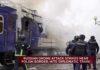
Trump administration calls itself the most transparent. Yet few details of the Iran war have been shared. – CBS News https://t.co/OLJvcSdFwi
Follow @NewsHubGlobe for 24/7 breaking news from around the world. pic.twitter.com/Z9AjKl6tau
— News Hub (@NewsHubGlobe) August 2, 2026
Arguments about secrecy go beyond casualty data. Politico reports that when the war began, the administration said it was responding to an “imminent threat” from Iran but has not shown clear evidence of that threat to the public or to many in Congress. U.S. Central Command says it targets locations that pose an imminent danger, but it does not spell out what specific danger American troops faced. At the same time, Central Command has stopped saying how many targets are hit in each wave of airstrikes and what kinds of assets are used, citing the need to protect operations. That may sound reasonable from a military point of view, but for citizens already worried about endless wars and hidden agendas, it feeds the sense that vital facts are being kept locked away by powerful insiders.
Why This Matters for Everyone, Not Just One Party
This fight over Iran war transparency fits a larger pattern that has frustrated Americans for years. Legal experts note that Congress passed the War Powers Resolution to force clarity about when and why the country goes to war, but presidents can often “go dark” after an initial notice unless lawmakers push back hard. Today, many conservatives feel burned by past globalist wars and broken promises, while many liberals are angry over civilian harm, growing inequality, and what they view as unfair treatment of minorities. Yet on this issue, there is growing agreement: people across the spectrum suspect that the federal government is not telling them the full story when it sends Americans into harm’s way. Each missing briefing, each vague claim of “victory,” and each revised casualty number deepens the worry that elites in Washington will manage the narrative before they manage the problem.
Sources:
cbsnews.com, thehill.com, theguardian.com, theatlantic.com, politico.com, nytimes.com, nypost.com, npr.org, cnn.com, nbcnews.com
© prospernews.net 2026. All rights reserved.