(ProsperNews.net) – As online claims race ahead of confirmed facts in the Austin bar shooting, the real story is how quickly a terror-tinged attack can turn into a misinformation free-for-all.
Story Snapshot
- A shooter opened fire outside Buford’s Backyard Beer Garden on Austin’s West 6th Street early March 1, killing two people and injuring 14 before police fatally shot him.
- Federal investigators are probing “indicators” of a possible terrorism link, but officials say it is too early to reach conclusions.
- Reports note the suspect was a naturalized U.S. citizen originally from Senegal and that mental health history is part of the investigation.
- Despite viral posts, publicly available reporting in the provided research does not confirm a “first victim identified” narrative or any “Obama” tie beyond the suspect’s 2013 naturalization date.
What happened outside an Austin nightlife hotspot
Police said the attack unfolded outside Buford’s Backyard Beer Garden in Austin’s busy West 6th Street area around bar-closing time on March 1. The suspect, identified as 53-year-old Ndiaga Diagne, circled the block in an SUV and fired from the vehicle before getting out and continuing to shoot with a pistol and a rifle. Officers arrived within about a minute of the first 911 call and killed the suspect in a gunfight.
Authorities reported two civilians were killed and 14 people were injured, with several initially listed in critical condition. Multiple weapons were recovered from the suspect’s vehicle. The fast police response was aided by the area’s high law-enforcement presence in the entertainment district, where officers are commonly positioned on weekend nights. Officials emphasized that the situation was rapidly contained once patrol units engaged the gunman.
Why investigators are looking at terrorism—and why it’s not settled
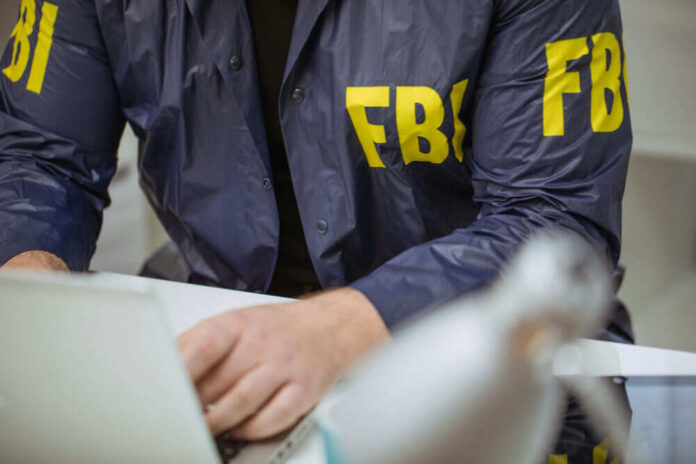
Investigators brought in the FBI-led Joint Terrorism Task Force to examine whether the attack had an ideological motive, including potential inspiration tied to overseas events. The shooting came one day after U.S.-Israel strikes reportedly killed Iran’s Supreme Leader Ayatollah Ali Khamenei, a timing that raised red flags for law enforcement assessing retaliation narratives. FBI officials cited “indicators” but cautioned that the evidence had not yet reached a firm conclusion.
Public reporting described details that investigators consider relevant to motive: the suspect allegedly wore a sweatshirt reading “Property of Allah” and an Iran-flag T-shirt, and photos of Iranian leaders were reportedly found at his home. Those facts can point to ideological affinity, but they do not, by themselves, establish a directed plot or foreign coordination. Multiple reports also highlight mental health history as an investigative track, underscoring that motive may be complex.
Immigration status, national security, and what the sources actually say
Several outlets reported that Diagne was a naturalized U.S. citizen originally from Senegal who entered the United States in 2000, later receiving lawful status and becoming a citizen in 2013. Those details matter because they shape public debates about screening, assimilation, and how authorities track warning signs after naturalization. At the same time, the provided research does not establish any official finding that immigration status itself caused the attack.
The same caution applies to claims spreading online that the “first victim” has been identified or that the shooting should be pinned to a specific political figure or administration. In the materials provided here, victim identities were not released in the immediate reporting window, and the “Obama” framing appears to be an extrapolation from the suspect’s 2013 naturalization date rather than a documented link. Responsible analysis has to separate verifiable facts from viral narratives.
Government response: public safety measures and constitutional guardrails
Texas leaders responded with heightened security steps as the investigation continued. Gov. Greg Abbott announced increased patrols and additional state resources, while the White House said President Donald Trump was briefed on the incident. The state’s posture reflected a broader concern that overseas conflict can trigger copycat violence or retaliatory attacks at home, especially in soft-target public gathering areas like nightlife districts.
For Americans who prioritize constitutional rights, the key policy question is how government responds without punishing lawful citizens for the crimes of one offender. The sources emphasize law enforcement action and investigative review, not new gun-control measures. The practical takeaway from the confirmed timeline is that rapid response, visible policing in high-risk zones, and effective emergency medical coordination saved lives—without any indication, in the provided reporting, of new restrictions aimed at lawful self-defense.
😥😥😥
First Victim of Austin Mass Shooting by Obama Third-World Migrant Identified | The Gateway Pundit | by Cristina Laila
— GuitarMan (@palumb61466) March 2, 2026
The investigation’s next steps will likely focus on the suspect’s digital footprint, personal contacts, and any evidence of planning or outside direction. Until officials release more—such as victim identities, a clearer motive, or a final terrorism determination—readers should treat sweeping claims as unproven. The tragedy is real, the injuries are real, and the national security questions are real; the internet’s rush to “solve” the story is not a substitute for verified facts.
Sources:
Mass shooting at Austin, Texas bar leaves at least 3 dead, multiple people wounded
Austin mass shooting: blood rushed from San Antonio, UT community impacted, local leaders react
What we know about the mass shooting in downtown Austin that killed 3, injured 14
Copyright 2026, ProsperNews.net