(ProsperNews.net) – The Pentagon’s silence on pre-COVID “gain-of-function” proposals is now the target of a federal lawsuit that could finally force answers about what government-linked researchers were planning before the world shut down.
Quick Take
- Judicial Watch filed a FOIA lawsuit against the Department of Defense seeking records on biodefense and gain-of-function proposals submitted to DARPA before December 2019.
- The request centers on “DEFUSE,” a 2018 proposal involving EcoHealth Alliance and the Wuhan Institute of Virology that described adding a furin cleavage site to a coronavirus.
- Court dockets confirm the lawsuit was filed February 11, 2026, after Judicial Watch says DoD did not respond to a November 2025 FOIA request.
- The case is in early stages, and no rulings or document releases are reported in the available docket information.
What Judicial Watch Is Demanding From DoD and DARPA
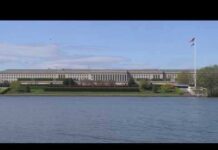
Judicial Watch says it is suing the Department of Defense after requesting records tied to biodefense and gain-of-function funding proposals submitted to DARPA’s Biological Technologies Office before December 2019. The lawsuit was filed in U.S. District Court for the District of Columbia on February 11, 2026, after a FOIA request dated November 7, 2025, allegedly produced no response. The case name and number are listed on public dockets.
The underlying question is narrow but explosive: what proposals were in the federal pipeline before COVID-19 emerged, and what did they plan to do with coronaviruses? Judicial Watch president Tom Fitton said the group believes gain-of-function proposals were active within DoD prior to the pandemic, and the lawsuit aims to learn what those proposals “entailed.” At this stage, the claim being tested is primarily about transparency and record production, not a final determination of origins.
Why the “DEFUSE” Proposal Keeps Coming Up
The FOIA request highlighted “DEFUSE,” described as a 2018 grant proposal submitted to DARPA under its PREEMPT program by EcoHealth Alliance with the Wuhan Institute of Virology. Judicial Watch’s summary says DEFUSE proposed inserting a furin cleavage site into a coronavirus and engineering a chimeric virus, which it characterizes as similar to SARS‑CoV‑2. The research packet notes DARPA rejected the proposal, while also stating that details later surfaced through leaks.
For Americans who watched bureaucracies dodge accountability during the Biden years, this is the part that matters: DEFUSE sits at the intersection of U.S. funding structures, high-risk virology, and Wuhan-based research partnerships. The provided research does not establish that DEFUSE was funded by DoD, nor does it prove the pandemic began with a lab incident. What it does document is a concrete, pre-2019 proposal described as aiming to alter coronaviruses in ways that became central to public arguments about COVID’s origins.
Gain-of-Function, Biodefense, and the Oversight Problem
Gain-of-function research generally refers to work that can increase a pathogen’s transmissibility or virulence, often justified as a way to anticipate threats. The research summary notes the U.S. paused certain gain-of-function activity from 2014 to 2017 because of safety concerns. It also describes DARPA’s PREEMPT program, launched around 2017, as a vehicle for funding projects meant to predict and prevent emerging pathogen threats, including coronavirus-focused proposals like DEFUSE.
From a constitutional, limited-government perspective, the core issue is not partisan talking points—it’s whether agencies with enormous power can fund or even evaluate high-risk research and then keep the paper trail out of public view. FOIA exists because citizens are not supposed to simply “trust the experts” when the stakes involve national security, public health, and potentially billions in federal spending. When an agency does not respond to a lawful records request, watchdog litigation becomes one of the few remaining tools.
Where the Case Stands in Court—and What We Can’t Yet Verify
Docket listings show Judicial Watch Inc. v. U.S. Department of Defense was filed on February 11, 2026, in Washington, D.C., and remains in early stages with no noted rulings in the research provided. The same research also flags a separate Judicial Watch v. DoD FOIA filing dated February 20, 2026. Those docket references help confirm the cases exist and identify the venue, but they do not reveal whether DoD will produce responsive records, claim exemptions, or seek protective orders.
Because the available material is dominated by Judicial Watch’s own description and docket confirmations, there are limits on what can be concluded today. No third-party expert commentary specific to this lawsuit is included in the research, and no released documents are described. That means the public is still waiting on the central facts: what proposals DARPA received, what internal evaluations said, what communications occurred, and whether any proposals overlapped with work abroad. The court process will determine what becomes public.
Why This Fight Matters Under President Trump’s Second Term
In 2026, with President Trump back in office and voters demanding a break from the secrecy and ideological governance that defined the Biden era, cases like this test whether federal agencies will finally be pushed toward transparency. Judicial Watch argues that record production could clarify what biodefense and gain-of-function ideas were circulating before December 2019, potentially informing debates about accountability and oversight reforms. The research notes potential long-term pressure on transparency and gain-of-function controls if disclosures occur.
Judicial Watch Sues Defense Dept for Gain-of-Function Records Predating Covid-19 | Judicial Watch. https://t.co/IAuz6ceJBN
— EvelynK🇺🇸 (@TheRealEvelynK) March 2, 2026
If records are released, Congress and the public could evaluate whether existing guardrails were adequate and whether federal partnerships created unacceptable risks. If records are withheld, Americans will learn something else: that even after COVID’s societal damage, the instinct to conceal remains strong. Either outcome underscores why watchdog groups use FOIA and why courts matter. For families who paid the price in lost jobs, closed schools, and broken trust, the demand is simple—produce the receipts.
Sources:
Judicial Watch Sues Defense Dept for Gain-of-Function Records Predating Covid-19
Judicial Watch Inc. v. US Department of Defense (D.D.C.) Docket
Judicial Watch Inc. v. U.S. Department of Defense (CourtListener Docket)
Judicial Watch Inc. v. U.S. Department of Defense (D.D.C.) Related Docket
Copyright 2026, ProsperNews.net