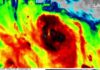

A nor’easter tore through New York City this weekend, killing one man and cutting power to tens of thousands of homes across the region.
Story Snapshot
- A falling tree killed a man in Brooklyn during the storm’s peak on Saturday.
- More than 70,000 homes and businesses lost power across New York, New Jersey and Connecticut.
- Governor Kathy Hochul declared a state of emergency for Long Island, New York City and Westchester County.
- Mayor Zohran Mamdani issued a citywide travel advisory as wind gusts reached up to 70 miles per hour.
Fatal Tree Collapse Strikes Brooklyn
A falling tree killed a man in Brooklyn on Saturday as the storm’s wind tore through the city. He was rushed to Brookdale Hospital, where doctors pronounced him dead soon after he arrived. Local reports say the victim worked for the New York City Housing Authority. His death is the first confirmed fatality tied to the storm across the five boroughs.
The tree came down as gusty winds and heavy rain battered the borough for hours. Emergency crews responded quickly, but the man’s injuries proved fatal. City officials have not released his name publicly, though the incident has become a stark symbol of the storm’s danger for residents caught outdoors during the worst of the weather.
Power Outages Spread Across the Region
More than 70,000 homes and businesses lost power across New York, New Jersey and Connecticut as wind gusts snapped trees and power lines. The Washington Post later put the regional total near 75,000 customers without electricity by Saturday night. Utility crews worked through the storm to restore service, though officials warned outages could keep climbing as wind speeds increased overnight.
Transit delays and bridge restrictions followed as roadway flooding spread across the Tri-State area. Commuters faced canceled trains and rerouted buses, while some highway on-ramps closed due to standing water. City agencies asked residents to report downed wires immediately and avoid contact with any fallen power lines during cleanup.
State of Emergency and Beach Closures
Governor Kathy Hochul declared a state of emergency for Long Island, New York City and Westchester County before the storm made landfall. She warned residents that “much more is coming” as the system intensified over the weekend. New York City closed all public beaches through Sunday and urged people to avoid unnecessary travel amid falling trees and flooded streets.
State agencies pre-positioned generators and pumps in areas with a history of flooding. Local emergency managers said the goal was to keep roads clear for first responders. Officials repeated warnings through the weekend that conditions would worsen before improving, especially along exposed coastlines facing the brunt of the storm surge.
Mayor Issues Citywide Travel Advisory
Mayor Zohran Mamdani and the city’s Emergency Management Department issued a travel advisory running from Friday afternoon through Sunday morning. The advisory asked New Yorkers to stay off the roads unless necessary, citing expected rain, strong winds and coastal flooding. City crews prepared sandbags and check valves in flood-prone neighborhoods ahead of the storm’s peak.
Wind gusts reached 60 to 70 miles per hour in parts of the region, with some forecasters comparing the flooding risk to Superstorm Sandy in 2012. High wind warnings covered Long Island and southeastern Connecticut, while wind advisories stretched into New Jersey and the Hudson Valley. The storm stalled near the coast, stretching its damage over multiple high-tide cycles.
Extreme Weather Keeps Straining Power Grids
The outages fit a pattern researchers have tracked nationwide for years. A study published in Nature found that 62% of outages lasting eight hours or longer happen during extreme weather events, and such outages become far more common when storms overlap. That trend has fed growing frustration among residents who feel aging infrastructure cannot keep pace with increasingly powerful coastal storms.
For many in the region, the storm renewed long-running complaints about slow utility response and outdated drainage systems that flood the same streets year after year. Whether the outages get resolved quickly or drag on will likely shape how residents judge the storm response once floodwaters recede and the full damage tally comes into focus.
Sources:
nytimes.com, fox5ny.com, bronx.news12.com, nypost.com, nature.com
© prospernews.net 2026. All rights reserved.