At the United Nations in New York, Israel’s prime minister praised President Trump as Israel’s “greatest partner” in a war he framed as a fight against “barbarians.”
Story Highlights
- Benjamin Netanyahu used his UN speech to praise President Trump’s support for Israel.
- Netanyahu described Israel as fighting a multi-front war and cited past mass-casualty attacks.
- The remarks came amid a tense General Assembly focused on wars and global divisions.
- The framing fits years of Netanyahu using UN stages to send sharp political signals.
Netanyahu’s UN Praise For Trump And War Framing
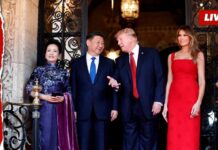
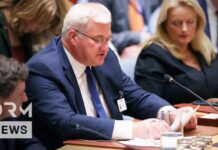
On September 24 in New York, Prime Minister Benjamin Netanyahu told the United Nations that Israel is locked in a broad fight and thanked President Trump as Israel’s top partner in that struggle. Reporting quoted Netanyahu calling it a battle against “barbarians” and crediting Trump’s “bold leadership.” The speech cast Israel’s conflict in sweeping terms and tied it to shared security goals with the United States under Trump. Live coverage placed the address at the General Assembly that day.
Netanyahu’s war framing included claims that Israel faces several fronts at once. He cited the October 7 massacre toll, saying Hamas “slaughtered 1,200 Israelis that day,” to stress why Israel treats the fight as existential. He described Israelis as united and determined, using language of one nation with one future, and linked the struggle to threats from Iran and allied groups. These points were used to justify hard-line military choices and to rally support among allies.
How The Moment Fits A Long Pattern At The UN
Netanyahu has often used the General Assembly to deliver sharp messages to many audiences at once. Past UN speeches leaned on civilizational themes, warnings about Iran, and direct rebuttals of critics, which sparked walkouts and applause at different times. Analysts and outlets have noted that the stage serves as both global platform and domestic signal, shaping how partners and rivals read Israel’s red lines. This year’s speech followed that same script of moral clarity and confrontation.
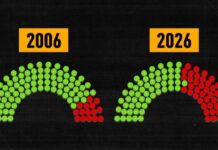
The 2026 General Assembly also unfolded under heavy strain among world powers. Reports tracked President Trump’s packed week of meetings and the larger debates about war, security, and alliances. That setting raised the stakes for Netanyahu’s words. Praise for Trump underscored the current United States–Israel alignment and aimed to lock in backing for Israel’s military path. It also highlighted how leaders use set-piece events to frame complex wars in stark terms for global audiences.
Why This Matters To Americans Across The Aisle
American readers see two clear threads here. First, the speech spotlighted close United States–Israel ties under President Trump. Supporters may view that as strength against Iran and terror. Second, the rhetoric showed how leaders use big stages to press for resources, weapons, and patience. Voters worried about endless wars, high costs, and elite dealmaking will hear a familiar tune: bold claims, limited details, and calls for trust in those at the top to manage risk.
A UN speech greeted by a mass walkout is a powerful image, but the message is bigger than the optics: Netanyahu is speaking to an increasingly divided international audience over Israel’s war in Gaza and wider regional actions.
— 🇺🇦 Vortex Report (@VortexReportX) September 24, 2026
The speech lands in a country already split on foreign policy spending and national priorities. Conservatives angry about globalist drift may welcome a hard line against Iran and Hamas. Liberals focused on humanitarian harm may question open-ended force. Yet many on both sides now share a core doubt: that Washington’s leaders, agencies, and permanent class too often put their own positions first. Big UN moments like this one can deepen that feeling when they trade more in drama than concrete plans.
Sources:
abc7ny.com, nypost.com, un-forum.org, euobserver.com, ms.now, dw.com
© prospernews.net 2026. All rights reserved.