
Virginia’s Catholic bishop ordered every parish to warn voters against two November amendments that would rewrite the state’s rules on abortion and marriage, escalating church involvement in a high-stakes ballot fight.
Story Snapshot
- Bishop Michael Burbidge told Catholics to vote no on Question 1 and Question 2.
- Question 1 would add a “fundamental right to reproductive freedom,” including abortion and fertility care.
- Question 1 allows third-trimester rules but keeps exceptions for life, health, and nonviability.
- Question 2 would guarantee marriage rights for two adults regardless of sex, gender, or race.
What The Bishop Directed And Why It Matters
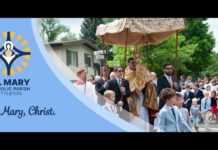
Bishop Michael F. Burbidge of the Diocese of Arlington issued a dated statement telling Catholics to vote no on both Virginia ballot questions. He said Question 1 would create a constitutional right to reproductive freedom, and he said Question 2 would reject the Christian belief that marriage is between one man and one woman. The diocese published his instruction on September 12, 2026, and framed it as moral guidance for parishioners across Northern Virginia.
Local coverage reports that priests were asked to read the message in parishes, underscoring the push from the pulpit. Supporters call the move unusual for the bishop, which draws public focus to the church’s role in a live political contest. That visibility energizes some voters and alarms others who distrust institutions. Both reactions fit a broader trend: people on left and right think powerful actors shape rules without listening to families and communities.
What Question 1 Would Change In The Constitution
Official state text says Question 1 would add a “fundamental right to reproductive freedom.” It lists prenatal care, childbirth, postpartum care, contraception, abortion care, miscarriage management, and fertility care. The measure would block the government from denying or burdening those decisions unless it meets a “compelling interest” using the “least restrictive means.” That high legal bar is designed to last beyond any single legislature or governor.
Virginia’s special explanation says the state could regulate abortion in the third trimester. But it may not prohibit an abortion if, in a physician’s professional judgment, it is needed to protect the patient’s life or physical or mental health, or if the fetus is not viable. Backers say these clauses keep doctors, not politicians, at the center of care. Critics say the health language is broad and could undercut limits they view as common sense.
What Question 2 Would Do On Marriage
The General Assembly placed a separate marriage amendment on the ballot. It would remove Virginia’s 2006 same-sex marriage ban language and state that two adults may marry regardless of sex, gender, or race. Federal law already protects same-sex marriage, so supporters frame the change as aligning the state constitution with current practice and equal treatment. The bishop opposes it on religious grounds about the nature of marriage.
For many voters, this raises a deeper question about how far constitutions should go in setting social policy. Changing a constitution is hard to reverse and shifts power from lawmakers to judges. Supporters argue that is the point, so rights cannot swing with each election. Opponents warn that broad phrases invite lawsuits, policy by courtroom, and rules written by people far from daily life. Both sides claim to defend families and freedom.
The Cross-Pressure On Voters And Institutions
Doctors and advocates have lined up on both sides, which adds to voter confusion. Supporters say the amendment protects a full range of care and shields patients and providers from criminal punishment for reproductive decisions. Opponents stress potential effects on late-term rules and parental roles. The disagreement turns on how future courts will read terms like “every individual,” “compelling interest,” and “least restrictive means.”
In a video titled “This Election Season is Different,” Bishop Barry Knestout of the Diocese of Richmond and Bishop Michael Burbidge of Arlington gave clear direction to Catholics in Virginia when approaching the ballot box in the coming weeks. https://t.co/ByZ9D6ThzS
— Catholics for Catholics 🇺🇲 (@CforCatholics) October 14, 2026
Big picture, this fight reflects a national pattern. Voters are asked to lock in rights or limits with broad language and trust judges later. People across the spectrum worry that elites will interpret those words in ways regular citizens did not expect. That is why this local church directive feels bigger than a church memo. It taps into a shared fear that distant power, not local voice, will decide personal, moral, and medical choices.
Sources:
elections.virginia.gov, lifenews.com, dailysignal.com, arlingtondiocese.org, osvnews.com
© prospernews.net 2026. All rights reserved.