
A clean on-camera denial now collides with donor records and family claims, and voters are left to sort it out.
Story Snapshot
- Abdul El-Sayed denied personal and family ties to the Muslim Brotherhood on television.
- Opponent Mike Rogers points to posts attributed to El-Sayed’s half-sister describing long family links.
- Reports cite named donors and a $25,000 political action committee gift tied to alleged Brotherhood figures.
- The campaign calls the allegations racist attacks but has not released a point-by-point accounting.
What El-Sayed Said On Air And Why It Matters
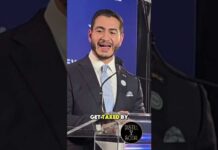
During a nationally watched interview, Abdul El-Sayed answered “No” when asked if he or his family had ties to the Muslim Brotherhood, giving a firm denial on camera. During earlier remarks highlighted by critics, he said he supports labeling any group a terrorist group if it commits political violence, but asked for proof for specific cases. Those two statements set a clear standard. They also raise the stakes. A hard denial invites proof tests on donors, relatives, and policy positions.
In a televised Senate debate, Republican nominee Mike Rogers argued that El-Sayed’s campaign aligned with groups backing the Muslim Brotherhood, Hamas, Hezbollah, and Al Qaeda. Rogers framed the dispute as character and national security. That line of attack resonates with many voters who see elites playing word games about threats. Yet debate claims are not court findings. They are political messages designed to move undecided voters in a tight race.
The Donor And PAC Trail Under Scrutiny
Right-leaning outlets reported that Mohamed Soltan made two donations to El-Sayed’s campaign, and that the American Center for Middle East Research gave $25,000 to the Fighting for Michigan political action committee. Those reports cite dates and amounts from federal filings. They do not by themselves prove coordination or agreement. But they do place named money alongside a sweeping family-and-ties denial. That gap fuels doubt until the campaign publishes a complete ledger and explanation.
Coverage also claims additional donors had Muslim Brotherhood links and highlights an Egyptian court sentence against one donor. These are serious details, but they rest on secondary reporting. They deserve verification through public records and direct statements from the donors involved. A transparent release of all related federal filings, solicitations, and refunds, if any, would help the public judge intent and knowledge. Without that, repetition across outlets can harden into “truth” by echo.
Family Posts, Authentication, And Fair Standards
Critics point to posts attributed to El-Sayed’s half-sister, Eman Abdelhadi, saying the family had “long been” tied to the Muslim Brotherhood and that relatives were jailed for membership in Egypt. Rogers has used those lines to argue El-Sayed’s denial is false. These claims challenge trust, yet they also hinge on authenticating old social media and defining what “family ties” mean across borders, years, and branches of a large family. Clear, sourced answers are still missing.
Other allegations cite a sister-in-law on a watch list and a mother’s past work at a blacklisted charity, raised in conservative commentary. These items heighten alarm but require firm documentation. Voters deserve to see who said what, when, and under what legal authority. A campaign can fairly reject guilt by association, but it should also address named claims with dates, roles, and records. Doing so sets a standard both parties should meet in the national security era.
How Voters Can Weigh Competing Claims
Three separate questions are in play: whether El-Sayed himself supports or belongs to the Muslim Brotherhood, whether relatives abroad ever did, and whether donors’ alleged ties imply his agreement. These are different issues with different proofs. Confusing them helps partisans but hurts voters. The campaign’s strongest move now would be a full, independently reviewed donor and political action committee accounting, plus on-the-record statements from the people and groups named.
El-Sayed Campaign's Response to Muslim Brotherhood Story Has Some Glaring Problemshttps://t.co/gmdgnxRqNY
— RedState (@RedState) October 13, 2026
Americans across the spectrum see a pattern: leaders dodge details while media wars do the talking. That breeds the belief that the system protects insiders and leaves citizens guessing. This case should not be solved by outrage or by faith in a tribe. It calls for documents, direct answers, and even standards applied to everyone. If campaigns want trust, they should treat transparency not as a risk, but as the job.
Sources:
redstate.com, townhall.com, lifezette.com, ewerickson.substack.com, freebeacon.com, x.com, detroitnews.com
© prospernews.net 2026. All rights reserved.