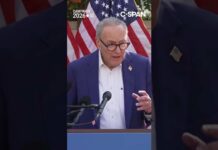

The White House warned a top House Democrat that aggressive investigations of President Trump could “cross the line into blatant criminality.”
Story Snapshot
- White House counsel Will Scharf sent a letter warning of possible crimes tied to planned probes.
- Representative Robert Garcia said Congress’s oversight power comes from Article I, not the White House.
- Supreme Court rulings say Congress needs a “legitimate legislative purpose” for subpoenas.
- Both sides are preparing for a constitutional fight over scope, process, and limits.
What Triggered the Clash
White House counsel Will Scharf sent a letter to Representative Robert Garcia, who is expected to lead the House Oversight Committee, warning that Democrats’ planned investigations could be unlawful. Scharf said threats to flood the administration with subpoenas, or to target officials, might amount to intimidation and “blatant criminality,” if not tied to a proper legislative purpose. The letter signals the administration’s legal posture as Democrats prepare new probes after their gains in the House.
Representative Garcia pushed back. He said Congress’s authority to investigate comes from Article I of the Constitution, and that oversight is part of the power to legislate. He argued the White House cannot grant or deny that power, and he framed the warning as an attempt to chill lawful oversight. Garcia added that the response suggests the administration may be hiding something, sharpening the political stakes around the coming inquiries.
The Constitutional Boundary: Oversight vs. Harassment
Supreme Court cases set the basic rule. Congress’s power to investigate is broad but must serve a “legitimate legislative purpose.” The Court has also said Congress cannot use subpoenas for pure law enforcement, which belongs to the executive branch. These standards came into sharp focus in Trump v. Mazars, which told courts to weigh separation-of-powers concerns when Congress seeks information touching the presidency.
Congressional experts describe the line this way. Committees can seek facts to write, amend, or oversee laws. They can ask how agencies spend money and follow statutes. They can examine misconduct if it informs legislation. But they cannot issue subpoenas to punish, to expose for exposure’s sake, or to run a criminal case. Disputes usually turn on scope, tailoring, and clear statements of legislative aims rather than fiery rhetoric alone.
How This Fight Could Play Out
The next steps likely involve process, not just press releases. If Democrats issue broad subpoenas, the White House could refuse, cite privilege, or ask a court to block the demands. Courts would then check whether the requests are narrow, relevant, and tied to specific legislative goals, especially when they involve the president or senior aides. Mazars tells judges to balance need, burden, and alternatives before ordering compliance.
Democrats can strengthen their hand by stating clear legislative purposes and narrowing requests. That includes listing bills under review, rules at issue, or funding lines at stake. The White House can strengthen its case by documenting burdens, pointing to privileged materials, and offering limited accommodations. Both sides know drawn-out court fights can sap time and trust, while the public watches costs rise and core work stall.
Why It Resonates Beyond Washington
Many Americans see a government that argues more than it solves. Conservatives and liberals both worry about powerful insiders playing by different rules. This standoff fits that concern. If oversight turns into a partisan weapon, people lose faith. If the executive blocks fair questions, people also lose faith. The country needs clear rules, narrow requests, timely answers, and transparency so the truth can guide policy, not just headlines.
NEW: The White House is warning Democrats of potential criminal consequences over future congressional investigations.
Rep. Robert Garcia (D-CA) calls the threats baseless and vows to press ahead. pic.twitter.com/OJbrcWDdxR
— Raquel Martin (@RaquelMartinTV) November 11, 2026
The stakes are concrete. Oversight can reveal waste, abuse, or gaps that drive high costs, weak services, and slow growth. It can also distract, intimidate, and gridlock when it lacks focus. The Supreme Court’s “legitimate legislative purpose” test offers a workable compass. Voters should watch whether each subpoena states that purpose, whether each refusal explains its legal basis, and whether both sides seek fair compromise before they sue.
Sources:
cbsnews.com, latimes.com, congress.gov, constitution.congress.gov
© prospernews.net 2026. All rights reserved.