
(ProsperNews.net) – The quiet seizure of an oil tanker off Venezuela’s coast shows how far U.S. power was allowed to drift under Biden…and how sharply it is snapping back under Trump.
Story Snapshot
- The U.S. seized an oil tanker near Venezuela amid an increasingly tense relationship with the Maduro regime.
- The move signals a return to assertive American energy and security policy after years of perceived weakness.
- The seizure targets hostile, anti-American actors instead of punishing U.S. producers with green mandates.
- The action underscores Trump’s message: American sovereignty, not globalist accommodation, drives foreign policy.
Oil Tanker Seizure Marks New Phase in U.S.–Venezuela Standoff
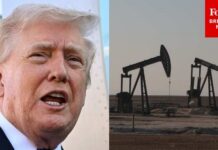
President Trump confirmed that the United States seized an oil tanker off the coast of Venezuela, describing it as the latest escalation in what has become an increasingly tense relationship between Washington and the Maduro regime. The operation highlights how American authorities are again willing to project power in the Western Hemisphere after years of drift. Under Biden, the priority was cutting deals and loosening sanctions; under Trump, the emphasis is enforcement, leverage, and clear consequences.
Trump’s statement that “we’ve just seized a tanker on the coast of Venezuela” underscores how the White House is tying national security back to energy policy. For many conservatives, past administrations blurred that connection, chasing climate targets while authoritarian exporters like Venezuela and Iran exploited the vacuum. By taking direct action against a vessel linked to a hostile socialist regime, the U.S. is signaling that rogue petro-states will not treat sanctions as optional suggestions or rely on American indecision.
From Biden-Style Accommodation to Trump’s Leverage Strategy
The strained relationship with Venezuela did not appear overnight; it grew out of years of sanctions, back-channel negotiations, and uneven pressure. The Biden years leaned heavily on quiet talks and limited enforcement while pursuing global climate goals that suppressed U.S. oil and gas development. That approach left many Americans asking why Washington seemed softer on anti-American regimes than on domestic energy workers. Trump’s second term is recalibrating that balance by combining border security, trade leverage, and energy dominance into a single strategy.
Conservatives see this tanker seizure as consistent with a broader Trump doctrine: confront adversarial regimes through economic pressure while unleashing American production at home. Where the left pushed “transition” and higher regulatory burdens, this White House emphasizes drilling, refining, and exporting under U.S. rules. Targeting a Venezuelan-linked ship sends a message that sanctions are meaningful again, without punishing American families already squeezed by years of inflation tied to overspending and regulatory attacks on affordable fuel.
Energy Security, Sanctions, and the Cost of Globalist Mismanagement
For years, working families endured rising prices at the pump while Washington pursued sweeping climate agendas, ESG mandates, and international deals that weakened domestic capacity. Those policies benefited global forums and green lobbies more than truckers, farmers, or retirees on fixed incomes. The Venezuela standoff is part of the bill for that mismanagement. When U.S. output is restricted, hostile producers gain bargaining power. Seizing a tanker chips away at that leverage and signals a return to prioritizing American consumers and strategic reserves.
Supporters of a tougher line argue that robust enforcement against sanctioned regimes protects both security and prosperity. If Caracas and its partners can move oil freely, they gain cash to entrench socialism, fund corruption, and look to powers like China or Iran for deeper alignment. That trajectory threatens U.S. influence in its own hemisphere. By tightening the screws now, the administration seeks to prevent a scenario where authoritarian neighbors feel emboldened to undermine regional stability while Washington obsesses over symbolic climate pledges.
What This Means for Constitutional Conservatives at Home
Although the tanker episode is a foreign story, it connects directly to core conservative concerns: sovereignty, economic self-reliance, and limited but strong government. A federal government that fails to secure borders, enforce sanctions, or protect domestic energy often compensates with intrusive regulations, higher taxes, and cultural engineering at home. Shifting focus back to external threats and strategic enforcement can reduce the appetite for internal overreach, from radical environmental rules to regulatory harassment of lawful industries and gun owners.
For readers frustrated by years of woke priorities, inflation, and globalist accommodation, the seizure off Venezuela represents a small but tangible course correction. It is not a cure-all; the underlying economic damage and cultural divides run deep, and information on this specific operation remains limited. But it illustrates an important point: when Washington stops apologizing for American power and starts using it wisely, adversaries take notice, allies reassess, and hardworking citizens gain a better chance at stability, security, and constitutional freedom.
Copyright 2025, ProsperNews.net