

(ProsperNews.net) – A Supreme Court showdown over Donald Trump’s birthright citizenship order is exposing just how far the Washington establishment will go to protect a broken immigration system.
Story Snapshot
- The Supreme Court is weighing Trump’s executive order ending automatic citizenship for children of non‑citizen, non‑resident parents.
- Justices have already curbed nationwide injunctions that lower courts used for years to freeze conservative policies.
- Parallel cases on guns and elections could reset core rules on self‑defense rights and how votes are counted.
- Both sides see the term as a test of whether the Constitution or unelected bureaucrats and judges will guide national policy.
Trump v. Barbara: The Citizenship Fight at the Center of the Term
At the heart of this term is Trump v. Barbara, the nationwide class action challenging Executive Order 14160, which directs agencies to stop treating as citizens babies born here to parents who are neither U.S. citizens nor lawful permanent residents. The order targets birth tourism and the long‑criticized practice of rewarding illegal entry with automatic citizenship for children. Civil rights groups, backed by several blue states, claim the move defies the Fourteenth Amendment and decades of case law.
The Court’s task is to decide whether the Constitution truly requires citizenship for nearly everyone born on U.S. soil, regardless of the parents’ status, or whether “subject to the jurisdiction” has real limits. The leading precedent, an 1898 case involving U.S.‑born children of lawfully domiciled Chinese parents, is being wielded as a shield against any reform. Trump’s team argues that decision never blessed automatic citizenship for children of people here illegally or only briefly.
How Nationwide Injunctions Became a Tool of the Political Class
Before the Court even reached the core citizenship issue, lawsuits over the order triggered a separate showdown about judicial power. Multiple district judges quickly issued nationwide injunctions blocking Trump’s policy for everyone, not just the parties before them. In 2025, the Supreme Court stepped in, ruling 6–3 that lower courts generally lack authority to freeze federal policies nationwide. That decision reined in a tactic that had frequently been used to halt conservative initiatives in their tracks.
By cutting back universal injunctions, the Court pushed challengers toward class actions like Trump v. Barbara instead of relying on a single judge to dictate national policy. For many conservatives, this was a long‑overdue reset that restored basic separation of powers and limited the ability of the legal elite to veto elections from the bench. Liberal groups warn it will leave some people temporarily exposed to unlawful policies, underscoring how both parties worry about a system they no longer fully trust.
Competing Visions of the Fourteenth Amendment and the Rule of Law
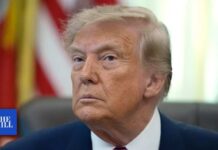
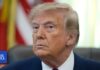
During oral arguments on April 1, Trump attended in person, underscoring the stakes. Government lawyers argued that the original understanding of the Citizenship Clause never covered children of people who defy our immigration laws or enter only as short‑term visitors. They pointed to concerns about large‑scale illegal immigration and birth tourism that Congress has failed to address, saying the executive branch must enforce a sensible reading of the Constitution rather than a modern, open‑ended one.
Opponents, led by the ACLU and allied organizations, counter that the text, historic practice, and the Immigration and Nationality Act all lock in a broad rule: if you are born here and can be punished under U.S. law, you are “subject to the jurisdiction” and therefore a citizen. They warn the order would create a permanent underclass and destabilize families who have lived in America for years. Some advocates frame the policy as an attempt to “rewrite the Constitution” through executive power.
Guns and Elections: The Other Pillars in Play
While Trump v. Barbara grabs the headlines, the Court is also refining landmark rulings on gun rights and election rules. Building on decisions recognizing an individual right to keep and bear arms and requiring gun regulations to fit historical traditions, current cases probe how far government can go in restricting who may possess firearms and what types they may own. Gun‑rights supporters see a chance to stop politicians from using modern fears as an excuse to chip away at self‑defense rights guaranteed since the founding.
On elections, the justices are wrestling with disputes over redistricting, voting procedures, and the balance of power between state legislatures, courts, and federal judges. Past rulings have already limited federal oversight of state election changes and declared partisan gerrymandering claims non‑justiciable. New cases could either strengthen local control over elections—long a conservative goal—or entrench judicial management of how political lines are drawn and how ballots are counted, fueling suspicions on both sides that the rules are being rigged by elites.
What This Term Reveals About a Government People No Longer Trust
Across birthright citizenship, guns, and elections, a common thread emerges: Americans on the right and left increasingly believe the system serves powerful insiders first. Conservatives see unchecked birthright citizenship as one more incentive for illegal immigration that depresses wages, strains schools and hospitals, and dilutes the meaning of national loyalty. Liberals see efforts to tighten election rules or expand gun rights as gifts to corporate interests and partisan machines. Both camps suspect Washington lawyers will always find a way to protect their own.
Whatever the Court decides in Trump v. Barbara, the ruling will signal whether unelected bureaucrats and judges can permanently lock in their preferred reading of the Constitution, or whether elected branches retain room to respond to new realities like mass illegal migration and rising distrust in elections. For citizens who still believe in the American Dream, the deeper question is whether any branch of government will place the long‑term health of the republic above short‑term partisan advantage.
Sources:
Supreme Court birthright citizenship and universal injunctions coverage
Supreme Court Arguments Wrap in Landmark Challenge to Trump Birthright Citizenship Executive Order
The Supreme Court’s Birthright Citizenship Decision Hinges on a Case You’ve Never Heard Of
Copyright 2026, ProsperNews.net