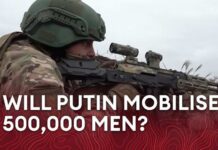

NATO says a coordinated surge of sabotage, cyber hits, and drone intrusions across Europe points to an intensifying Russian gray‑zone campaign on Allied soil.
Story Snapshot
- NATO links recent sabotage, cyber interference, and drone activity to a wider Russian campaign.
- Researchers count more than 150 confirmed Russia-directed sabotage cases since 2022.
- New assessments warn “shadow fleet” ships may support drone incursions near critical sites.
- Moscow denies involvement and calls the accusations unproven.
NATO Flags a Pattern of Hybrid Operations
North Atlantic Treaty Organization (NATO) leaders said recent incidents on Allied territory are part of an intensifying Russian hybrid campaign. The alliance listed sabotage, acts of violence, cyber and electronic interference, and disinformation among the tactics now facing members. NATO pointed to investigations across Central and Northern Europe that have led to arrests or charges linked to hostile state activity. The statement framed these events as a coordinated pressure strategy, not isolated one-offs.
The warning follows months of unusual events across several countries. Local police and security services probed fires at warehouses, rail disruptions, and GPS jamming near airports and borders. Cyber teams traced intrusions on municipal networks and small utilities. Defense ministries reported drones appearing near bases and energy plants. NATO’s message: these add up to a cross-border effort to create fear, raise costs, and test Allied resolve without crossing into open war with uniformed forces.
Evidence Base and Analytical Backing
Independent researchers say the pattern is measurable. A study from the International Center for Counterterrorism and GLOBSEC documented 151 confirmed Russia-directed industrial sabotage incidents in Europe between February 2022 and February 2026. The count supports claims that this is a sustained campaign, not a brief spike. The researchers stress the targets are modest and spread out, which makes defenses hard and creates steady pressure, especially on logistics and critical infrastructure.
A separate assessment highlights how drones complicate defense and attribution. The International Institute for Strategic Studies judged it “highly likely” that many drone incursions across more than a dozen countries tie back to Moscow’s wider hybrid play. The report describes how small craft can scout military and nuclear sites, stress air defenses, and trigger costly shutdowns. It also raises the role of so‑called “shadow fleet” ships as possible launch platforms in nearby seas, which would exploit legal and detection gaps.
How Governments Are Responding at Home
European authorities are tightening laws, boosting counterintelligence, and hardening sites. Interior ministries are expanding patrols near rail nodes, warehouses, and ports. Energy regulators are pushing operators to add physical barriers, better cameras, and drone detection. Cyber agencies are sharing indicators of compromise with towns and small firms, which are often the softest targets. NATO members also pledged more joint training, faster attribution, and clearer public messaging to blunt panic and disinformation effects.
ANDRE DOCTRINE — STRATEGIC LEADERSHIP GUIDANCE
GRAY-ZONE ACTIVATION: DENY RUSSIA THE PROVOCATION DIVIDEND
On August 7, I warned that Russia could use sabotage, cyberattacks, drone incursions and even captured Ukrainian systems in staged operations designed not primarily to… pic.twitter.com/kBkKHksMcX
— Andre Robinson MS (@AndreDoctrine) August 31, 2026
Military planners are adapting, too. Air forces are testing low-cost sensors to spot slow, low-flying drones that slip past classic radar. Naval patrols are watching commercial vessels that loiter near cables, pipelines, and wind farms. Exercise scripts now include sabotage and cyber strikes on the same day as drone swarms, to stress logistics and decision-making. Commanders argue that layered defense and quick repair teams can cut the payoff from these small but frequent hits.
Disputes Over Blame and What We Still Do Not Know
Russian officials reject the claims. The Foreign Ministry said accusations over drones in European Union countries are unproven and lack material evidence. Embassies in Europe called reported incidents staged provocations. Moscow says Western leaders are using fear of hybrid attacks to push defense spending and to distract from internal problems. These denials continue even as European governments publicize arrests and technical findings tied to suspected networks.
Attribution remains hard in some cases. Drones can launch from inside a target country or from civilian vessels offshore. Many craft use common parts bought online, which blurs the trail. Analysts caution that not every incident can be pinned on the Russian state. Still, NATO and several studies argue the aggregate picture shows a campaign that seeks pressure and confusion while staying below the threshold of open conflict. That is the core risk to watch.
Why This Matters for Americans
Attacks on allies stress supply chains, raise energy costs, and distract shared defenses. Disruptions at European ports and power links can flow into U.S. markets through price spikes for fuel, parts, and shipping. These gray‑zone moves also test the value of alliances that have kept wider war at bay. Voters on the right and left see a pattern here, too: complex threats grow while big governments move slowly, argue, and often miss basic protections people expect.
The lesson is simple but hard to execute: fix the soft spots before crises hit. That means steady funding for cyber basics at small utilities, sensible drone rules with enforcement, and faster site hardening where workers and goods keep the economy moving. It also means honest reporting when an event is a crime, a near miss, or a false alarm. Clear facts build trust, and trust is the best shield against fear campaigns that target free societies.
Sources:
nato.int, reuters.com, en.yenisafak.com, english.ahram.org.eg, nytimes.com, bgnes.com
© prospernews.net 2026. All rights reserved.