
(ProsperNews.net) – President Trump’s bold strikes on Iran expose Europe’s weakness, forcing Macron to drag France into a defensive role that hands U.S. bases and risks energy chaos for French families.
Story Snapshot
- Macron announces French military deployments including Charles de Gaulle carrier and Rafale jets to counter Iranian threats in the Mideast.
- France authorizes U.S. access to key bases like those in the Persian Gulf and Istres, bolstering Trump’s campaign against Iran’s nuclear and proxy aggression.
- Iran’s retaliation targets U.S., Israeli, and European assets, spiking oil prices via Hormuz closure and threatening global shipping lanes.
- Macron bypasses parliament despite only 8% public support, prioritizing ally protection over domestic opposition.
Macron’s Televised Address Signals Commitment
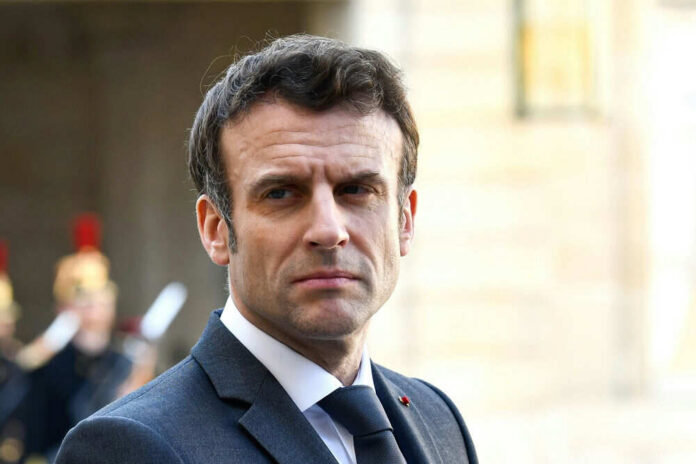
On March 3, 2026, French President Emmanuel Macron addressed the nation from the Élysée Palace. He declared France’s involvement in the US-Israeli conflict with Iran as strictly defensive. Macron deployed the Charles de Gaulle aircraft carrier to the Eastern Mediterranean, Rafale jets, and anti-air systems. He blamed Iran for nuclear development, ballistic missiles, and funding proxies like Hezbollah, Houthis, Hamas, and Shia militias. This move secures French citizens, allies, and vital shipping routes amid escalation.
U.S.-Led Strikes Prompt French Alignment
US and Israeli forces initiated strikes on February 28, 2026, targeting Iranian military sites, ballistic capabilities, and power centers from bases in Israel, Iraq, Kuwait, Bahrain, and the Arabian Sea. Iran retaliated against US, Israeli, Gulf, and European targets, including the Akrotiri base in Cyprus. Conflict expanded to Lebanon through Hezbollah attacks on Israel. Macron’s decision authorizes US use of French bases in the Persian Gulf and Istres for munitions, reinforcing Trump’s strategy against regime threats.
Deployments and Clarifications Follow Swiftly
From March 4 to 6, reports confirmed deployments: Charles de Gaulle group toward the Arabian Sea, Rafale jets, radars, and reinforced anti-air systems. Macron issued an Instagram message on March 6 stating France is not waging war but protecting citizens, allies like Lebanon, and securing maritime traffic peacefully. Defensive reinforcements continue with coalition efforts for Strait of Hormuz security. Iranian strikes damaged US bases, heightening French vigilance in Cyprus and the Gulf.
Historical Tensions Drive Macron’s Stance
France, alongside Germany and the UK, has pressed Iran to halt its nuclear program and missile development since stalled negotiations. Tensions stem from Iran’s 1979 Revolution, resource disputes, and proxy support destabilizing Israel and the region. Macron cites Iran’s primary responsibility. France maintains defense pacts with Qatar, Kuwait, and UAE, balancing EU autonomy goals with necessary US alignment due to military limitations. Prior alignment includes Macron’s texts to Trump on Syria and Iran.
France’s role in Mideast war remains ‘defensive’: Macron
Follow our live coverage of the Iran-Israel-US war here: https://t.co/2pAsT9vZoW pic.twitter.com/4RA3F9fEO6
— Dawn.com (@dawn_com) March 13, 2026
Impacts Threaten Energy Security and Stability
Strait of Hormuz closure disrupts oil and gas flows, driving up energy prices worldwide and hitting working families hardest. French public opposition stands at 8%, yet Macron acts unilaterally, eroding legitimacy and risking domestic militarization. Gulf states face direct threats, while Lebanese civilians endure Hezbollah-Israeli clashes. Long-term, escalation could draw in Russia and China, complicating Trump’s focus. France’s role aids US goals of curbing Iranian aggression but exposes overreach vulnerabilities.
Sources:
Macron commits France to joining neocolonial US war on Iran (WSWS)
France enters Iran conflict in ‘strictly defensive’ posture (Le Monde)
‘France is not waging war,’ Macron says on Middle East conflict (Anadolu Agency)
Situation Iran and Middle East (French Diplomatie)
Copyright 2026, ProsperNews.net