

(ProsperNews.net) – One mother’s split-second decision to hide her baby in a closet before shooting a late-night home invader in a supposedly tranquil suburb forces us to confront what real safety, and real courage, looks like behind closed doors.
Story Snapshot
- Home invasions still occur in “safe” Midwest suburbs, despite falling burglary rates and increased security awareness.
- A mother’s rapid response, hiding her baby, arming herself, and confronting the intruder, reshapes community views on preparedness and self-defense.
- Economic and psychological fallout for victims and neighbors drives new urgency for prevention and resilience.
- Experts agree: decisive, visible measures and engaged communities are the strongest modern deterrents to residential crime.
When Normalcy Shatters: A Suburban Night, A Mother’s Resolve
On a leafy street where porch lights flicker against summer dusk, a mother’s evening was shattered by the unmistakable sounds of forced entry. The notion that “it could never happen here” dissolved in an instant. She faced a choice no one wants: act or freeze. Without hesitation, she concealed her infant in a bedroom closet, a primal act of protection. Then, armed and alert, she positioned herself between her child and the threat. The confrontation ended with the intruder fatally shot, but for this mother, the night’s true legacy was the lesson it forced on her neighbors: even peaceful communities are not immune.
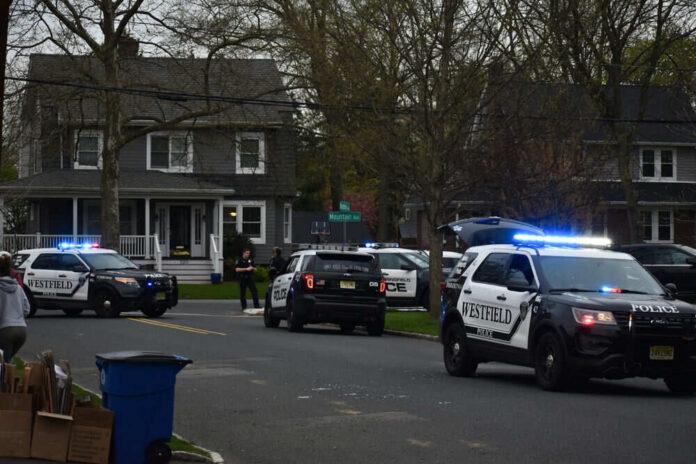
Police arrived swiftly, securing the scene and ushering the family to safety. The neighborhood, long immune to headlines, awoke to a new reality. Conversations at the mailbox and grocery store shifted from property values and weekend plans to security systems, panic buttons, and the wisdom of keeping a baseball bat by the bed. Statistics from the FBI echo this family’s ordeal: more than half of all residential burglaries involve forcible entry, and while rates have dropped 10.3% in the Midwest over recent years, the threat remains persistent. Day or night, suburban homes are still targets, especially for intruders seeking quick cash or electronics when residents are least prepared.
Crime Trends and the Mirage of Safety in the Midwest
Despite a 19% national drop in city burglaries in the first half of 2025, property crime remains a concern, particularly in suburban and semi-urban areas. The Midwest has seen notable improvements, with some cities reporting 80% declines in neighborhood crime after implementing targeted interventions. Yet, experts warn that these numbers can breed dangerous complacency. Most residents still lack even basic deterrents: only a third of American homes are equipped with alarm systems, despite clear evidence that visible security causes half of would-be burglars to abandon their attempts. As this incident reveals, perception of safety often lags reality, and it takes just one break-in to upend a community’s sense of control.
Law enforcement and city officials, buoyed by recent reductions, now champion neighborhood watch programs, environmental design changes, and rapid reporting. Academics and professional criminologists reaffirm that community engagement, neighbors looking out for one another, sharing information, and investing in prevention, remains the most effective bulwark against intrusion. Sociologists emphasize the psychological toll: victims often struggle with lasting anxiety, sleep disruption, and a gnawing sense of vulnerability, while neighbors experience a collective jolt, spurring renewed interest in both hardware and human solutions.
The Human Cost: Trauma, Loss, and Resilience
The immediate aftermath of a violent home invasion is measured in more than broken locks and police tape. The average household loss per incident is $2,661, factoring in stolen goods and property damage. Insurance premiums may climb, and for many, a sense of sanctuary never fully returns. Children and parents alike may grapple with trauma, requiring both informal support from friends and formal intervention from counselors. Yet, even as fear spikes, so too does solidarity: neighborhood chat groups swell, attendance at safety seminars surges, and residents often rally for increased patrols or new lighting on their streets. The paradox is stark, violence can fracture, but it can also galvanize, making the community more vigilant and interconnected than before.
Mom hid her baby in closet then shot and killed burglar who broke into her home in peaceful suburb late at night https://t.co/WAzdzVfHrN
— Daily Mail (@DailyMail) August 18, 2025
For the mother at the center of this ordeal, her actions were not heroic by choice, but by necessity. Her story now animates debates about the role of armed self-defense, the limits of police response times, and the wisdom of “hardened target” strategies, window locks, motion lights, and the ever-watchful eye of a neighbor. Many in conservative circles argue that her decisive, legal use of force prevented a greater tragedy and serves as a model for others unwilling to cede their safety to chance or bureaucracy. Critics, meanwhile, urge greater investment in non-violent prevention and conflict de-escalation, reminding all that no deterrent is absolute.
Expert Consensus: Preparation and Community Are Key
Security professionals are unequivocal: alarm systems, reinforced doors, and visible deterrents are proven to reduce break-in attempts. Law enforcement echoes the need for rapid action, not just in emergencies, but in building relationships before crisis strikes. Criminologists point to the success of environmental design and community policing in driving down rates, while insurance experts advise updating policies, documenting valuables, and rehearsing family response plans. The common thread is clear. While statistics may improve and headlines fade, the only real defense is a blend of preparation, vigilance, and shared responsibility. No home is an island, and as this mother’s ordeal attests, the line between “safe” and “vulnerable” is thinner than most care to admit.
Copyright 2025, ProsperNews.net