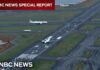

After U.S. jets hit an Iranian missile site on Qeshm Island, Iran fired back at Gulf neighbors, pulling Americans and civilians into a growing, dangerous loop of strikes and reprisals.
Story Snapshot
- U.S. officials say the Qeshm strike targeted an Iranian missile-launch site in self-defense.
- Iran answered with drone and missile attacks toward Bahrain and Kuwait, heightening regional risk.
- Public proof tying the Qeshm site to specific attacks remains thin and mostly anonymous.
- Conflicting timelines and damage claims fuel doubts and fear of wider war.
What Each Side Says Happened
U.S. officials said American fighter jets used precision munitions against an Islamic Revolutionary Guard Corps missile-launch site on Qeshm Island. They framed the action as self-defense after Iranian aggression against U.S. personnel and assets in the region. Reports said Iran had targeted U.S.-linked systems in Bahrain and Kuwait before and after the strike. That sequence set off alarms across the Gulf and pushed the cycle of retaliation forward. Iran rejected the U.S. narrative and promised more responses.
Iran said its strikes hit U.S. radar, air-defense, and launch platforms tied to attacks on Iran, and that it acted under its right to defend itself. Iranian statements also warned Gulf states against letting the United States use their bases for operations. The message was blunt: if you host U.S. forces, you may be a target. Those claims, carried by state-linked outlets, aimed to shift blame and to deter neighbors from siding with Washington.
Known Facts, Unsettled Evidence
Journalists cited one or more unnamed U.S. military officials for the self-defense claim and strike details. No public battle-damage assessment or declassified intelligence packet accompanied the reports. That leaves gaps. We do not have open evidence that the Qeshm site launched, or was about to launch, attacks on U.S. forces. We also have disputes over damage on the island, including claims about water supplies, that lack independent checks so far. The record supports escalation, but not every detail.
Timeline confusion adds to the fog. Some outlets placed the Qeshm strike in early November or around U.S. midterm elections. Others tied it directly to later Iranian launches at Bahrain and Kuwait. Those conflicts make it hard for outsiders to judge necessity and proportionality in real time. What is clear is that Bahrain and Kuwait reported threats soon after, and regional forces went on high alert, which raised the risk to shipping and civilians near the Strait of Hormuz.
Why This Matters for Americans
Energy markets, trade lanes, and U.S. troops sit inside this risk zone. The Strait of Hormuz moves a large share of the world’s oil. Disruption there means higher fuel and shipping costs at home. Many readers already feel squeezed by prices and by the sense that Washington reacts more than it plans. When key facts sit behind anonymous quotes, trust breaks down. People on the right and left can agree on this: leaders owe the public clear evidence when they use force.
Transparency does not mean revealing sources and methods in full. But it does mean releasing a basic evidentiary trail. That could include a named timeline from United States Central Command, declassified satellite images, and a summary of the legal basis. Without that, both Washington and Tehran can claim self-defense, and citizens are stuck choosing which side they believe. That is not how a republic should debate war and peace in a vital region.
Escalation Risks and Off-Ramps
Cycles like this build fast. Iran has used drones and missiles across borders. The United States has targeted launch sites and enablers. Each move invites the next. Bahrain hosts the U.S. Navy Fifth Fleet, and Kuwait is a key hub. Attacks there pull allies deeper into danger and raise the chance of mistakes that could kill civilians or U.S. personnel. That risk increases calls for stronger air defenses and tighter rules on when and how both sides strike.
Live Updates: Iran ramps up retaliation against U.S. in Gulf countries following strikes on Qeshm island www.cbsnews.com/live-updates/iran-war-us-gulf-retaliation-strikes-strait-of-hormuz/ pic.twitter.com/HsHGQtER4U
— XauusdEtBitcoin (@XauusdEtBtc44) November 19, 2026
Reducing risk will take parallel steps. The Pentagon can publish a named chronology of events around Qeshm and release a redacted legal memo on necessity and proportionality. Gulf partners can show their own air-defense logs to confirm or challenge attack claims. Iran can allow neutral review of damage on Qeshm and clarify which systems it targeted abroad. None of this solves the dispute overnight, but each step puts facts ahead of spin and helps prevent a wider war.
Sources:
cbsnews.com, news.com.au, rte.ie, kpbs.org, bbc.com
© prospernews.net 2026. All rights reserved.