
(ProsperNews.net) – Campus censorship exploded to record levels in 2025, firing 29 scholars and silencing voices across the political spectrum, even as President Trump’s administration ended federal overreach on free speech.
Story Highlights
- FIRE tracked 958 censorship attempts in 2025—525 scholar sanctions, 273 student punishments, 160 speaker deplatformings—with nearly three-quarters succeeding.
- 29 scholars fired, including 18 since September for social media comments on Charlie Kirk’s assassination, showing intolerance trumps ideology.
- Censorship hits both liberals and conservatives, driven by vocal groups pressuring weak administrators.
- Chilling effect forces self-censorship among scholars and students, eroding academic freedom despite Trump’s push to end federal censorship.
- Universities must defend unpopular speech to fulfill their mission, beyond reacting to government pressure.
Record-Breaking Censorship Attempts in 2025
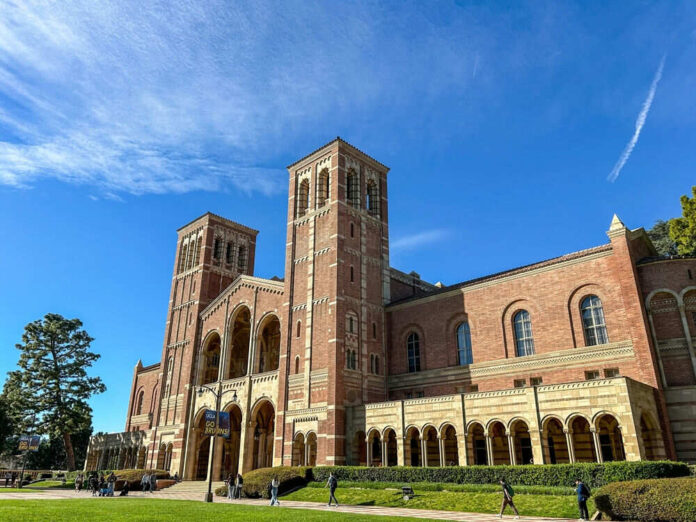
The Foundation for Individual Rights and Expression (FIRE) documented 958 censorship incidents across U.S. campuses in 2025. These included 525 attempts to sanction scholars, 273 to punish students, and 160 to deplatform speakers. Nearly three-quarters of these efforts succeeded, revealing deep intolerance in higher education. This surge occurred despite President Trump’s executive actions ending federal censorship programs, highlighting internal university failures. Administrators appeased vocal minorities, undermining free inquiry essential to conservative values of open debate and individual liberty.
Scholars Fired for Social Media Speech
Universities terminated 29 scholars in 2025, with 18 firings since September tied to social media comments about Charlie Kirk’s assassination. These cases targeted faculty for expressing views that offended activists. The dismissals spanned ideologies, punishing liberal activists alongside conservative voices. Such actions erode academic freedom, a cornerstone of American higher education. President Trump’s policies protect speech from government interference, yet campus leaders prioritize damage control over defending unpopular opinions, frustrating patriots who value constitutional protections.
Censorship Spans Political Spectrum
Censorship affected both liberal and conservative faculty, proving intolerance—not ideology—drives the trend. Vocal groups demanded sanctions, and administrators complied through investigations and punishments. This pattern ignores First Amendment principles that conservatives champion. Even as Trump’s administration dismantled radical DEI programs and K-12 indoctrination, universities clung to woke agendas. The common thread remains suppression of dissent, threatening family values by silencing parents, educators, and students who resist government overreach and globalist influences.
Beyond formal actions, a chilling effect grips campuses. Scholars self-censor research, students avoid classroom discussions, and faculty fear backlash. Administrators launch probes to placate agitators, fostering silence over robust exchange. This environment contradicts America’s founding commitment to free speech, which Trump’s leadership reinforces against leftist policies.
Call for University Accountability
University leaders must recommit to academic freedom and unpopular speech. Trump’s 2025 accomplishments, including over 170 executive orders ending federal censorship and DEI waste, set the example. Campuses cannot rely on government pressure alone; internal reforms demand rejecting intolerance. Conservatives see this as vital to preserving constitutional rights, gun ownership discussions, and traditional values against absurd agendas like unchecked immigration rhetoric on campuses. Failure invites further erosion of liberty.
With limited additional data on specific cases, these insights underscore the urgency. President Trump’s victories provide a roadmap, but universities must act to restore trust among families frustrated by fiscal mismanagement and cultural decay.
Copyright 2026, ProsperNews.net





![Trump's $5,000 Stimulus Check to All Adults [Dividend Check]](https://prospernews.net/wp-content/uploads/sites/3/2026/09/hqdefault-218x150.jpg "Cash Bribe? Trump Dangles $5,000")


![Trump's $5,000 Stimulus Check to All Adults [Dividend Check]](https://prospernews.net/wp-content/uploads/sites/3/2026/09/hqdefault-100x70.jpg "Cash Bribe? Trump Dangles $5,000")