
President Trump’s administration is fighting Iran on two fronts at once, hitting the country with sweeping sanctions while backing military strikes, and top officials are calling it “Economic D-Day” even as independent experts question whether the pressure is actually changing Tehran’s behavior.
Story Snapshot
- Treasury has rolled out waves of new sanctions in 2026 targeting Iran’s shadow oil fleet, weapons suppliers, and a major digital asset exchange.
- Treasury Secretary Scott Bessent says the campaign has already drained Iran’s revenue for weapons programs and terrorist proxies.
- The White House has paired sanctions with military action, including a formal notice to Congress about new hostilities against Iran.
- Outside analysts, including some conservative-leaning foreign policy voices, say pressure has not forced Tehran to make real concessions.
Treasury Declares “Economic D-Day” on Tehran
The Treasury Department has spent 2026 rolling out one sanctions package after another against Iran. In February, officials targeted Iran’s “shadow fleet” of tankers and the networks that supply its weapons programs. By April, Treasury hit 14 people and companies in Iran, Turkey, and the United Arab Emirates accused of feeding Iran’s weapons pipeline.
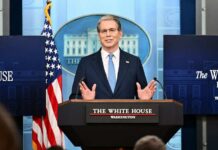
In May, Bessent stood before reporters and said the campaign had already worked, declaring that “Treasury has deprived the Iranian regime of revenue for their weapons programs, terrorist proxies, and nuclear ambitions”. Days later, Treasury announced action against an Iranian-backed extortion scheme targeting ships passing through the Strait of Hormuz. Supportive media outlets have called the effort the “greatest coordinated economic isolation in history”.
Treasury also went after Iran’s largest digital asset exchange, arguing that cryptocurrency had become a workaround for sanctioned money. The moves build on a strategy the White House first laid out in a February 2025 fact sheet promising to restore “maximum pressure” on Iran through sanctions, oil export cuts, and financial isolation.
Sanctions Paired With Military Pressure
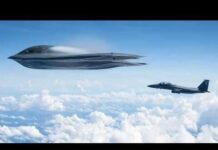
The economic squeeze has not stood alone. President Trump has openly tied sanctions to the threat and use of force, once telling the country “the United States military began major combat operations in Iran” while sanctions kept climbing. In July 2026, Trump formally notified Congress of new hostilities against Iran, according to Politico, combining battlefield pressure with the financial squeeze in what officials describe as a single strategy.
Administration officials have repeatedly said sanctions will not stop until Iran abandons nuclear weapons and ends support for terrorism. That combination of military threats and economic coercion marks a shift from pressure as quiet leverage toward pressure as open confrontation, a change some of the source material itself flags as a risk of turning coercive diplomacy into outright war.
Independent Analysts Question the Payoff
Not everyone buys the success story. The Atlantic Council argued the administration “failed in translating the significant leverage it has created” into real strategic wins, and said Iran’s nuclear program actually expanded after pressure ramped up in 2019, alongside a downed U.S. drone and an attack on Saudi oil facilities. The Council also said the strategy lacked a credible military threat and suffered from contradictions from the start.
Chatham House reported that Trump has struggled to win the international backing he wants for the campaign, noting that NATO allies and other partners are reluctant to get pulled into the resulting turmoil. A New York Times podcast noted that despite claims of success, oil and gas prices remain high, the Strait of Hormuz is “effectively closed,” and Iran’s regime is still standing. Podcast host Joe Rogan also said publicly that Trump’s Iran strategy “doesn’t make sense”.
A Pattern With a Rocky Track Record
This fight fits a pattern seen across decades of U.S.-Iran sanctions fights. Academic reviews of sanctions history put America’s success rate at achieving stated foreign policy goals through unilateral sanctions at roughly 13 to 30 percent since 1970. Iran’s economy has repeatedly shrunk under pressure, yet its nuclear and missile programs have often kept moving forward anyway.
That gap between economic pain and political change is the real tension here. Both sides of the political spectrum share a common worry: that Washington officials announce victory before anyone can check the math, while ordinary Americans and Iranians alike absorb the costs of a fight with no clear end date.
Post 1:
🕊️✨OPERATION ECONOMIC OUTCAST:
Treasury Secretary Scott Bessent stood before the nation and declared the start of an unprecedented campaign.
At President Trump’s direction, the United States has begun Operation Economic Outcast — a whole-of-government effort to sever… https://t.co/WXVDbbN9pf— LatieJones ✨🤍✨ (@latiejones1111) August 24, 2026
Whether this round of sanctions and strikes forces real change in Tehran, or simply repeats a decades-old cycle of pain without compliance, will not be clear for months or years. For now, the administration is betting that combining economic and military pressure will finally break the pattern.
Sources:
realcleardefense.com, home.treasury.gov, reuters.com, trumpwhitehouse.archives.gov, npr.org, politico.com, whitehouse.gov, cfr.org, youtube.com, cnas.org
© prospernews.net 2026. All rights reserved.