
Organizers halted the Great American State Fair as heat and fast-building storms turned a patriotic showcase on the National Mall into a safety emergency right before a planned Trump speech.
Story Snapshot
- Midday closure from 1 p.m. to 5 p.m. followed triple-digit heat and reports of illnesses.
- Local outlets reported more than 40 people treated for heat-related issues at the fair.
- Heat index reached about 103 degrees amid a broader East Coast heat wave.
- Critics claimed thin crowds and staging problems also pressured the shutdown.
What Forced The Shutdown On The Mall
Event organizers closed the fair during the hottest stretch to reduce risk. News crews on site reported the fair paused operations from early afternoon until early evening, citing safety protocols and extreme heat. Reporters documented a heat index around 103 degrees, with air temperatures hitting 100 degrees for a second day in Washington, D.C.. That combination raises the body’s heat stress fast. On open concrete and grass with little shade, people can get sick in minutes.
District fire and medical crews treated dozens of people for heat-related problems, according to local television reporting from the scene. Some attendees fainted the day before, which can signal compounding risks for staff and guests if crowds grow. The choice to pause matched a wider pattern across East Coast July Fourth events, where parades and gatherings were canceled or delayed because of record heat and stressed medical teams. Officials often use short closures to prevent more ambulance transports.
How Weather And Storms Collided With Politics
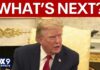
The closure came hours before a planned appearance by President Donald Trump, raising political stakes. Storm cells developed with the heat and pushed organizers to clear areas quickly for safety. Extreme heat has cut into many large events in recent years, and researchers expect more frequent hot extremes across North America in coming decades. That trend means more security checkpoints, more water, and more cooling tents will be needed at big outdoor gatherings to keep events on track.
Viewers saw a split-screen narrative. Major outlets framed the pause as a weather safety move, supported by on-the-ground reports and heat measurements. Some commentators argued the shutdown reflected thin crowds, staging issues, or bad optics for the host, pointing to shaky stage clips and broken air conditioning in some exhibits. The event’s own message cited heat and coordination with public safety, without listing other causes, which left room for doubt among critics.
Sorting Established Facts From Open Questions
Evidence supports that heat was severe and that medical responses were high for a public event. Local reports documented the index near 103 degrees and a four-hour shutdown window to protect visitors. One station reported more than 40 treatments, though those reports did not list exact diagnoses for all patients. These facts back a safety-based pause. The precise mix of heat versus other problems, like equipment failures or stage stability, is less clear from public records.
In the interest of safety, the National Mall event area – including the Great American State Fair – will temporarily evacuate due to inclement weather. In addition to the locations listed below, event attendees may also seek shelter in Smithsonian and L’Enfant Plaza. Trains will… https://t.co/Nqxa0ux087
— Metro Forward (@wmata) July 4, 2026
Claims about poor turnout and unstable staging come mostly from commentary and social videos, not formal incident logs shared with the public. A fuller answer would require three documents: a National Weather Service advisory for the exact hours, a District fire and emergency incident tally linked to the fair, and an engineering inspection of the staging. Until those appear, the strongest verifiable cause remains extreme heat, with storms adding urgency to move people out fast.
Why This Matters Beyond One Hot Day
Families on both the left and right see a pattern: big promises, thin planning, and avoidable risk. When agencies and organizers do not publish clear safety data or after-action reports, trust erodes. People suspect elites protect their image first and the public second. Heat events will keep testing that trust. Transparent thresholds for pausing, real cooling capacity, and clear communications can keep politics from overruling safety and can keep celebrations from turning into evacuations.
Sources:
mediaite.com, wjla.com, youtube.com, facebook.com, reddit.com, usatoday.com, pmc.ncbi.nlm.nih.gov
© prospernews.net 2026. All rights reserved.