
(ProsperNews.net) –With a ceasefire clock ticking down, President Trump is betting that “no pressure” and maximum leverage can force Iran to abandon its nuclear path—without repeating the Obama-era deal conservatives still call a disaster.
Quick Take
- Trump said he feels “no pressure whatsoever” to reach an Iran deal and vowed not to repeat the Obama administration’s 2015 nuclear agreement approach.
- Talks hosted in Pakistan remain uncertain as Iran reportedly skipped attendance while the U.S. keeps military and economic pressure in place.
- Trump’s public messaging swung from claiming Iran “agreed to everything” to warning of major strikes if no deal is reached as the ceasefire nears its end.
- Control of the Strait of Hormuz and maritime seizures have become central leverage points with direct implications for global energy prices.
Trump’s “No Pressure” Message Signals a Hard-Line Red Line on Nukes
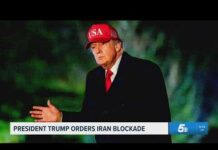
President Donald Trump said Monday he is under “no pressure whatsoever” to finalize a deal with Iran, arguing that time is “not my adversary” as negotiations stall. Trump framed the moment as a test of whether the United States will accept a limited freeze like the 2015 JCPOA or demand full dismantlement. His stated bottom line remains that Iran’s nuclear program must end completely, with consequences if it does not.
Trump’s political contrast is straightforward: the Obama-era JCPOA traded sanctions relief for temporary restrictions that critics said left Iran’s long-term capacity intact through sunset provisions. In this round, the terms described in reporting are more sweeping, including removing enriched material and cutting off support for proxy groups linked to regional violence. That posture aligns with a conservative preference for enforceable outcomes over complex diplomatic frameworks that depend on future compliance.
Islamabad Talks Face a Credibility Problem: “Agreed to Everything” vs. No Show
Negotiations in Pakistan have been described as peace talks, but their status remains murky because Iran reportedly declined to attend even as U.S. officials, including Vice President JD Vance, were involved. That gap matters because Trump publicly indicated momentum—at one point saying Iran had “agreed to everything”—while subsequent developments suggested no finalized agreement. For voters who distrust Washington spin, the mismatch underscores how quickly narratives can outrun verifiable signatures.
Reporting also indicates the ceasefire window is narrow, creating incentives for brinkmanship by both sides. U.S. claims about Iranian actions in and around the Strait of Hormuz add another layer of uncertainty, especially when the administration argues ceasefire terms were violated. Because Iran’s leadership has not matched Trump’s public optimism with visible commitments, outside observers have limited ability to confirm what, if anything, is locked in beyond broad demands.
Maximum Pressure Is Being Enforced at Sea, Not Just at the Negotiating Table
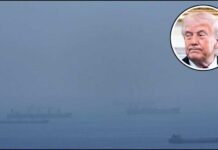
The administration’s leverage is not confined to statements or sanctions. The Strait of Hormuz—one of the world’s most important chokepoints for energy shipping—has been at the center of the standoff, with reports describing U.S. pressure helping reopen the passage after heightened confrontation. Separately, reporting said the U.S. seized a vessel tied to the crisis, reflecting a strategy that combines maritime enforcement with diplomacy to constrain Iran’s options as deadlines approach.
This matters domestically because energy markets respond quickly to instability in the Gulf. When shipping lanes are threatened or blockades expand, oil prices can spike, feeding inflation and consumer frustration—especially among older Americans who remember the past decade’s cost-of-living shocks. Conservatives who oppose policies that drove up energy costs at home tend to see Middle East shipping stability as directly tied to household budgets, not an abstract foreign-policy concern.
Rhetoric Whiplash Raises Risk Calculations Even If It’s Strategic
Over a span of days, Trump’s tone shifted from suggesting a deal was close to warning of devastating strikes if Iran does not agree, including talk of targeting infrastructure. One major network described the change as messaging “whiplash,” and critics argue that sharp threats can complicate diplomacy. Supporters counter that the alternation is the point: keep Iran off balance, preserve U.S. freedom of action, and avoid a prolonged negotiation that allows Tehran to run out the clock.
Trump Says He Feels 'No Pressure' to Make Deal With Iran, Won't Make the Mistakes Obama Didhttps://t.co/NQYaCPWkyR
— RedState (@RedState) April 20, 2026
Even if the rhetoric is tactical, the credibility test is practical: can Washington secure verifiable dismantlement and prevent future nuclear breakout without writing another long, technical accord that depends on inspectors, waivers, and shifting political winds? The administration’s own framing suggests it prefers simple, enforceable deliverables—uranium out, enrichment halted, proxies defunded—backed by sustained pressure. What remains unclear, based on available reporting, is whether Iran will accept those terms before the ceasefire ends.
Sources:
https://www.axios.com/2026/04/05/trump-iran-deal-power-plants
https://www.cbsnews.com/news/trump-messaging-iran-after-he-said-tehran-agreed-to-everything/
https://en.wikipedia.org/wiki/United_States_withdrawal_from_the_Iran_nuclear_deal
Copyright 2026, ProsperNews.net