

(ProsperNews.net) – President Trump’s bold rejection of Obama’s Iran nuclear deal exposed its fatal flaws, empowering a hostile regime while Americans paid the price in security risks.
Story Highlights
- Trump labeled the JCPOA “one of the worst and most one-sided transactions” ever, vowing a superior replacement to protect U.S. interests.
- U.S. withdrawal in 2018 reimposed sanctions, curbing Iran’s oil exports and funding for regional proxies.
- The deal failed to address Iran’s missile tests and terrorism, betraying its core premise according to Trump administration analysis.
- Both conservatives and liberals now see federal missteps like this as symptoms of elite failures eroding the American Dream.
Trump’s Scathing Critique at the UN
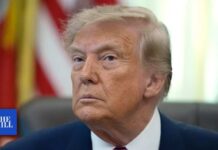
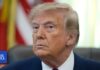
In September 2017, President Donald Trump addressed the United Nations General Assembly and called the Obama-era Joint Comprehensive Plan of Action (JCPOA) “one of the worst and most one-sided transactions the United States has ever entered into” and an “embarrassment.” He argued the deal provided cover for Iran’s nuclear ambitions, ballistic missile development, and destabilizing activities across the Middle East. Trump vowed the world must demand Iran abandon its nuclear pursuit and support for terrorism. This speech marked a clear break from prior U.S. policy, emphasizing the deal’s abysmal track record since implementation in 2015.
Official Withdrawal and Maximum Pressure Strategy
On May 8, 2018, Trump announced the United States’ withdrawal from the JCPOA after extensive review with allies. He cited Iran’s betrayal through continued aggression, proxy support, and missile advances that violated the deal’s spirit. The move shifted U.S. strategy to a “maximum pressure” campaign, snapping back sanctions to deny Iran resources for nuclear and terrorist activities. Secretary of State Mike Pompeo linked this to broader efforts, including North Korea talks, positioning withdrawal as prudent protection of American security and a path to stronger negotiations.
Flaws in the Original Deal
The JCPOA, signed July 14, 2015, by Iran and the P5+1 nations, promised to limit Iran’s nuclear program in exchange for sanctions relief. Trump viewed it as inadequate, ignoring ballistic missiles, sunset clauses allowing future nuclear expansion, and Iran’s regional hostility. Pre-2015 escalation of Iran’s program amid sanctions set the stage, but post-deal missile tests and proxy wars proved the premise false. This echoed precedents like Reagan’s ABM Treaty exit, but Trump’s rhetoric uniquely branded it the “worst deal,” aligning with Israel and Saudi interests over strained European ties.
Stakeholders included Trump as decision-maker, the Obama administration as architects, and allies like the UK, France, and Germany who stayed initially. Iran’s motivations clashed with U.S. security priorities, highlighting power dynamics where American sanctions leverage prevailed.
Lasting Impacts on Security and Economy
Short-term effects included reimposed U.S. sanctions straining Iran’s economy, sparking protests, and hitting oil exports. Long-term, the deal’s end removed nuclear constraints approaching 2025 sunsets, but aimed to spur better terms without empowering aggression. U.S. allies faced escalation risks, while Israel saw reduced proxy funding. Energy markets experienced volatility, and defense sectors boosted arms sales to Gulf states. Politically, it polarized debate but underscored shared frustrations with government elites prioritizing power over citizens’ safety and prosperity.
Trump’s 2018 speech declared the deal undermined U.S. security, promising a new course. No replacement deal emerged by 2018, with later revival efforts stalling. This reinforces bipartisan distrust in Washington, where past policies like the JCPOA fueled inflation via globalism and weakened borders through diverted resources. In 2026, with Trump back in office, these lessons demand accountability to restore limited government and individual liberty for all Americans chasing the Dream.
Sources:
Official Trump White House archive on Iran Deal (2018)
Copyright 2026, ProsperNews.net