(ProsperNews.net) – Chicago’s mayor drew fire from the White House with a single signature, triggering a constitutional standoff that could redefine the line between local freedom and federal force.
Story Snapshot
- Chicago Mayor Brandon Johnson signed an executive order banning ICE from city property, sparking fierce White House condemnation.
- The move escalates an ongoing battle over sanctuary city policies and federal intervention in local law enforcement.
- Legal and political conflicts are unfolding, with immediate restrictions on ICE and a lawsuit to block National Guard deployment.
- This episode sets a precedent that could ripple through cities nationwide, challenging the balance of local autonomy and federal authority.
Chicago’s Executive Order Draws Fire from the White House
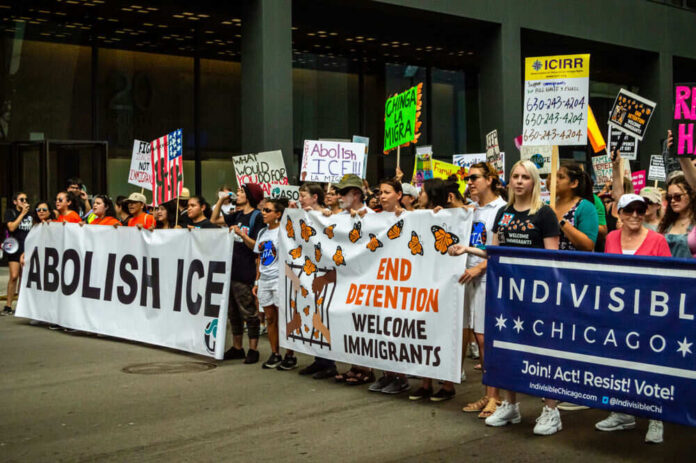
October 6, 2025: Mayor Brandon Johnson’s executive order established “ICE-free zones” throughout Chicago, barring federal immigration agents from using city-owned property for enforcement. Johnson acted amid growing tension over federal immigration crackdowns, positioning Chicago’s government as a bulwark against what local leaders describe as federal overreach. The White House, via spokeswoman Abigail Jackson, issued a blistering statement labeling Johnson’s move “sick” and accusing him of “aiding and abetting criminal illegal immigrant killers, rapists,” marking one of the harshest federal rebukes of a sanctuary city mayor to date.
With the stroke of a pen, Johnson not only ignited national headlines but also forced a showdown over the limits of local versus federal power, a conflict with deep roots and far-reaching consequences.
Sanctuary City Policy: Chicago’s Stand Against Federal Intervention
Chicago’s identity as a sanctuary city is not new. The city has long resisted federal efforts to conscript local resources for immigration enforcement, citing the need to protect vulnerable residents and build trust in law enforcement. Johnson’s executive order, however, represents an escalation: city agencies must now identify and designate ICE-free zones within five days, effectively walling off municipal property from federal immigration operations. This action was paired with a lawsuit filed by Johnson and Illinois Governor JB Pritzker to block President Trump’s deployment of National Guard troops to Illinois, a move Chicago leaders call unconstitutional and politically motivated.
The timing of these maneuvers is telling. The Trump administration’s aggressive immigration policies and willingness to use federal resources against sanctuary cities have created a political climate where local leaders feel compelled to draw clearer boundaries. The White House’s response, branding Chicago’s actions as a threat to public safety, reflects not just policy disagreement but an existential struggle over who holds the reins of law enforcement in America’s cities.
Stakeholders, Motivations, and Power Struggles
Mayor Johnson and Governor Pritzker frame their efforts as a defense of constitutional freedoms and local self-determination. By restricting ICE’s access to city property, they argue, Chicago is protecting immigrant families and upholding the principle that local governments should not be pressed into federal service. For immigrant communities, the executive order brings a sense of protection, though the looming possibility of federal retaliation fuels uncertainty and anxiety.
The Trump White House and ICE, on the other hand, see sanctuary policies as a direct challenge to federal authority. The administration’s rhetoric is designed to galvanize public opposition to sanctuary cities, linking them with crime and disorder. This narrative, while politically potent, remains contested by civil rights groups and some law enforcement experts, who argue that local autonomy and community trust are essential for public safety.
Legal Battles and the Road Ahead
As of now, Johnson’s executive order is in effect and city agencies are moving swiftly to implement ICE-free zones. The lawsuit to block National Guard deployment signals a readiness to take the fight to the courts, where the outcome could set a critical precedent for the nation. The Department of Homeland Security and White House have so far declined further comment, leaving the next moves shrouded in uncertainty.
Short-term, ICE operations in Chicago face real constraints, and the city-state-federal power struggle has intensified. Long-term, this conflict could shape the future of sanctuary policies across the country, emboldening other cities to assert their autonomy or, conversely, prompting new federal crackdowns. The outcome remains uncertain, but one thing is clear: the battle lines are drawn, and the stakes are nothing less than who governs America’s cities, and who gets to decide what justice means within them.
Copyright 2025, ProsperNews.net